











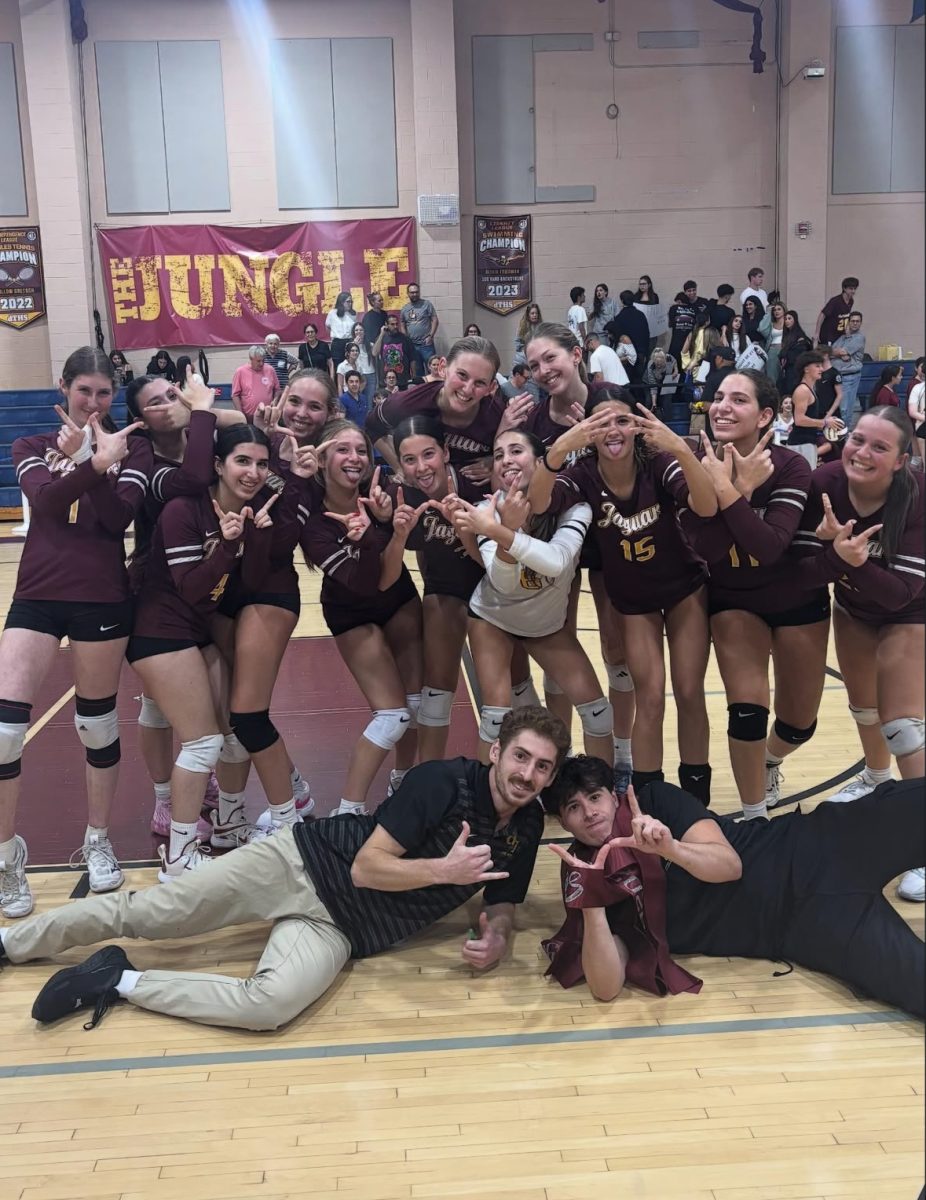
The gym lights were buzzing, the crowd was loud, and the scoreboard glowed with the kind of pressure you can feel in your stomach. Late into the night at Milken, during the final match of the Dig Pink tournament, each rally felt like it lasted forever.
My teammates and I were exhausted after six hours of tournament play; legs burning, voices lost, yet, we all remained completely focused with a mutual goal of winning. As we took our final match to the third set, we knew that we had to fight for every point. As my teammate served on point 14, and that final ball hit the floor on the opponent’s side, the entire gym erupted.
At 11:50 PM, my team stood together, sweaty and smiling, as we were handed the first-place trophy. In that moment, every injury, every sprint, and every long practice felt absolutely worth it. I love volleyball, and the foundation of that passion is built during nights like those.
Then, of course, in that moment, reality hit. In a mere eight hours from when we won the tournament, I had a first-period AP Psychology exam. That is what it means to be a varsity student-athlete: balancing obligations that pull you in many different directions at once, while still finding the time to manage it all. My appreciation of that status has grown since the beginning of the season.
***
On July 29, the Varsity Volleyball team walked into the gym for our first practice of the season. The sound of squeaking shoes and bouncing balls didn’t just mark the beginning of another year, but it marked months of discipline, dedication, and growth.
For us, it was officially the end of sleeping in and pretending school wasn’t coming. What began instead was the season of long practices, sore muscles, and learning to balance academics with athletics. That’s where the reality of being a student athlete sets in.
A major part of being a student-athlete is the commitment; while others are relaxing or going out after school, we’re back in the gym pushing through drills (and, yes, complaining that we aren’t relaxing or going out). With away-games and midweek tournaments, athletes often miss classes and have to work twice as hard to stay on top of everything. It means emailing teachers at midnight, studying on the bus while your teammates make TikToks, and cramming homework into random pockets of time. In this past season, we had approximately 23 games, 10 of which were early dismissal, meaning we had to miss one or more class periods in order to arrive on time to the games.
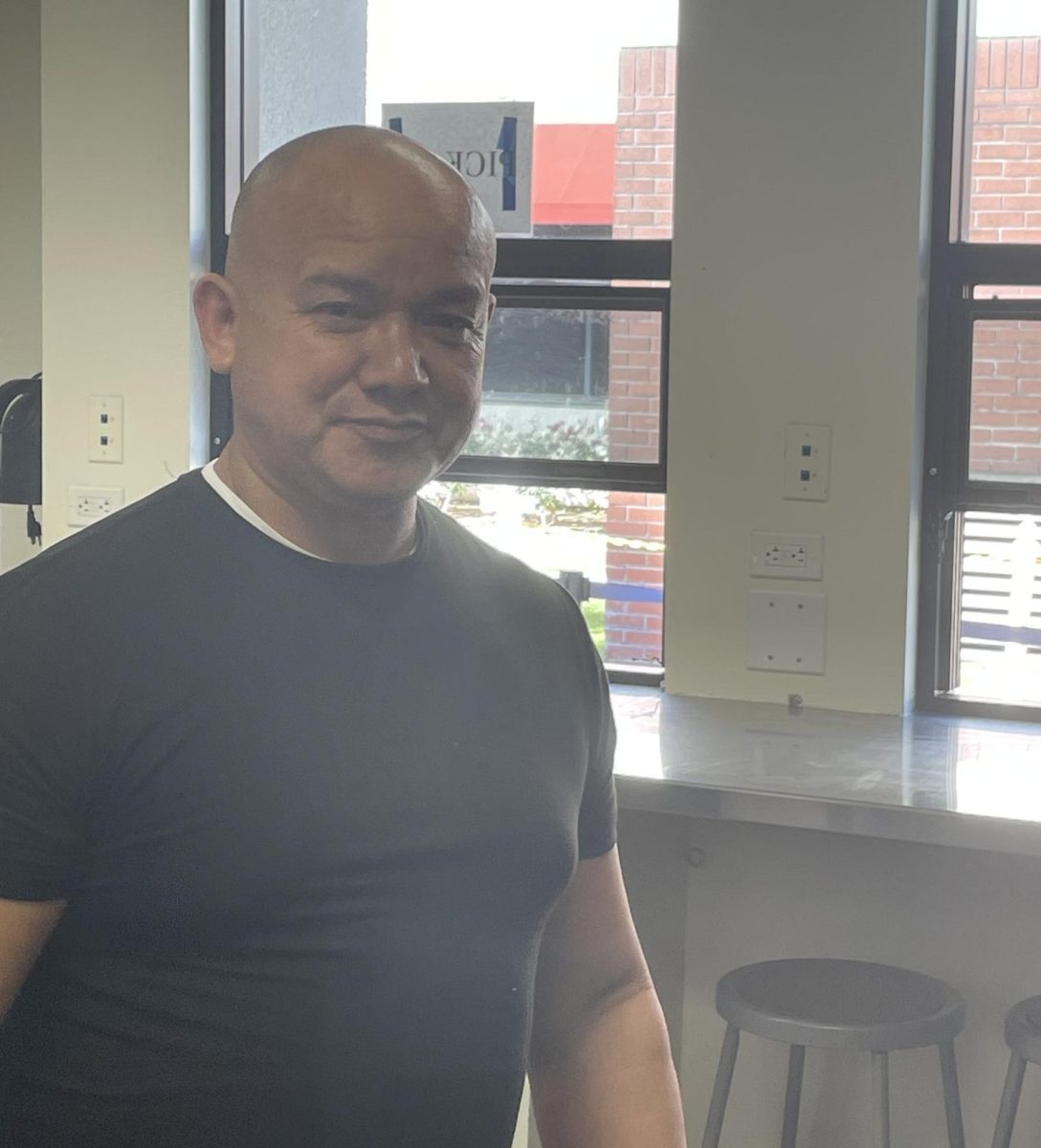
It’s a constant balancing act, and it can definitely feel overwhelming. Athletic Director David Avila explained the stakes clearly: “We’ve had situations where kids have to sit out of games because of poor grades. I’m sure that stress from classes also plays a big role on how athletes perform on the field or court.”
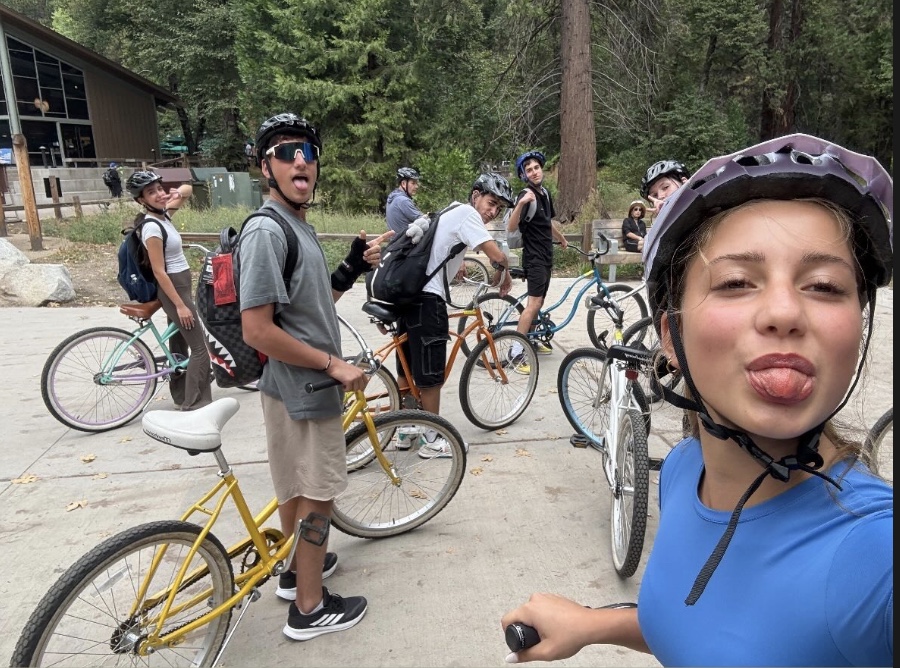
However, even with all the challenges, the rewards are unmatched–not just in trophies, but in friendships. The laughs we share, the hours spent traveling in cars, buses, and a boat, is where the best memories are created. Yes…a boat.
On the way to a game in Catalina, my coach, teammate, and I found ourselves on the side of the ferry nibbling pretzels and sipping ginger ale while trying to suppress our seasickness. As awful as I felt in the moment, I now look back and smile.
Volleyball isn’t only about winning. It’s about the team. It’s about getting through tough practices, extra conditioning, and mysterious bruises, together.
***
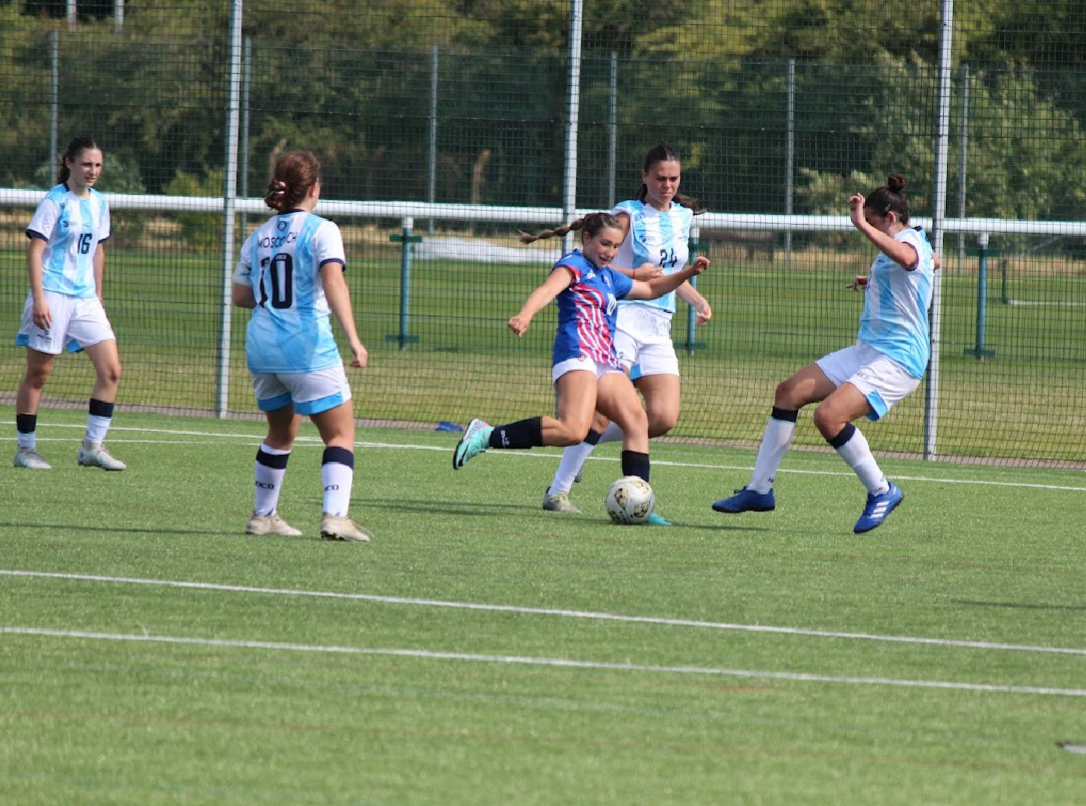
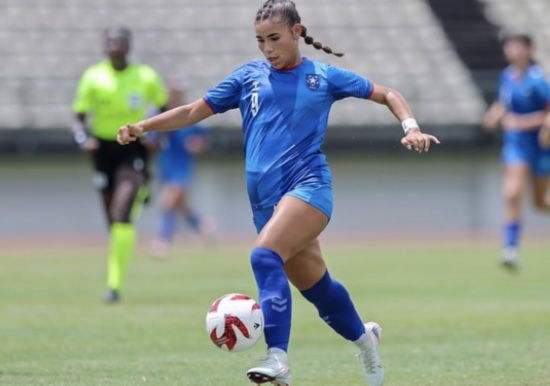
Four-year student-athlete Mia A. (‘26) shared how she manages both varsity volleyball and varsity soccer while simultaneously carrying a rigorous academic course load, “I have a white board in my room where I write down all of my assignments for the week, and I check them off as I go to make sure I stay on top of my work.” She added, “I also try to do most of my school work over the weekend, which is when I have free time.”
Having gone through the struggle herself, Mia offered advice to younger athletes, “You’ll get through it, and although it’s frustrating, nothing lasts forever and in the end it’s very rewarding. Don’t quit, you got this.”
Teachers also play a huge role in helping student-athletes succeed. Ms. Vane, from the science department at de Toledo High School, explained how she adjusts deadlines. “Ahead of time we’ll say if it’s actually due tomorrow, it can be due the next day for the athlete. For those students who give me advanced notice, I am more than happy to give them extensions on assignments.”
Texas State University conducted 73 research studies that surveyed student-athletes on athletic and academic motivation and linked their responses to college grades. They found that, “the factors having the greatest impact on student-athlete academic success was the ability to balance their academic and athletic identities and monitor their time and goals.”
Being able to manage both academic and athletic identities, set goals, and monitor time effectively is what separates the athletes who thrive from those who struggle. It validates what Mia and Ms. Vane described: with organization and communication, student-athletes can handle the heavy workload without sacrificing performance in either area.
***
Being a student-athlete isn’t impossible; it’s demanding, but absolutely achievable with the right support and mindset. Every late night, long practice, or early morning workout builds resilience and pride.
No matter how many late nights and coffees it takes, in the end, the victories, growth, and memories make all of the effort worth it.