
















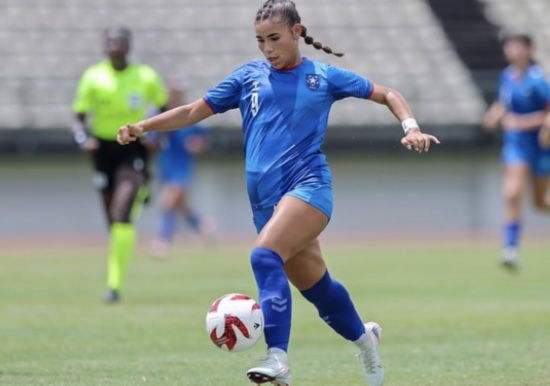
The recruitment process when applying to colleges as a high-school soccer athlete is no easy task. It’s like skiing down a challenging slope, one wrong move and you end up lost on an uncharted path.
Like downhill skiing, you’d think it’s easy, but scams, wrong motives, and outside pressures could redirect you into dangerous areas and make your path down a lot harder to navigate.
According to Warubi Sports, “There were 454,324 male and 390,108 female high school soccer players in the United States,” and out of these soccer players, “we see that only 9.74% of males and 11.29% of females make the cut” (Biste).
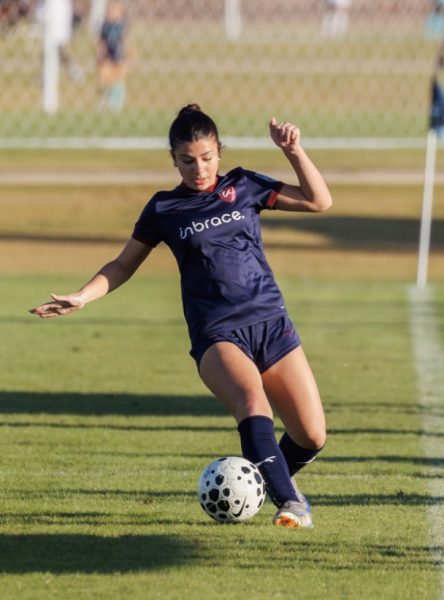
The recruitment stage for soccer players is the most competitive out of all sports, especially for girls. First, starting early in high school is important to take into consideration since College coaches start recruiting in junior year. According to NCSA, “7% of D1 women’s soccer coaches reported that they began evaluating talent before 9th grade, 45% began evaluating talent in 9th grade, and 47% began in 10th grade.”
However, there are ways to showcase yourselves to start forming relationships with coaches, making the once bumpy ski slope a smoother path to success. ID Camps, Showcase Tournaments, or elite club teams are strategies for exposure to college scouts and are easy ways to amplify the recruiting experience.
When going through the process, it is helpful to be open to the colleges that reach out to you;
Being close-minded won’t amplify the recruitment process as these are potential colleges that might be worth attending.
D1 soccer programs are not for everyone. Every athlete possesses a different skill level, just like not everyone can successfully glide down a double black diamond. High-school athletes should rarely rely on D1 as the only next step in their soccer career.
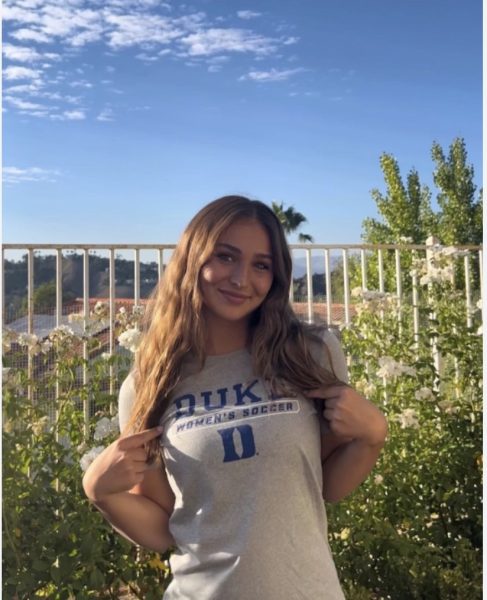
For those who aren’t being heavily sought after, it is important not to give up on the process and consider expanding their scope. Duke soccer player, Maddy Foxhoven, said, “Look at…schools that have educational programs that you are interested in, and be open to going to different states and levels of collegiate soccer.”
There are amazing programs tailored to you at each level of collegiate soccer. Athletes need to find the best fit for them, instead of setting their goal on one school. Lior Lipman, a national girls’ soccer league coach, said, “College coaches, just like everyone else, have their own opinions and types of players they look for, and every year they are typically looking for specific player profiles.” Just because one coach doesn’t want to recruit the player doesn’t mean there isn’t a coach out there that won’t.”
Another tip: social media is an easy and efficient way to showcase talent to scouts. Additionally, there are recruitment programs, such as NCSA, that can help amplify recruitment portfolios.
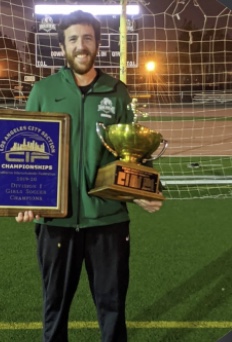
IMG Academy, the top sports academy in America, said, “We’ve found that more than 80 percent of coaches look at social media during recruiting.” Additionally, Dylan Betancort, a soccer coach for dTHS, said, “ If a student athlete puts in the work on the field, and matches that effort with creating content of them playing, and communication with coaches, you can really set yourself up to be playing for a school of your dreams.”