











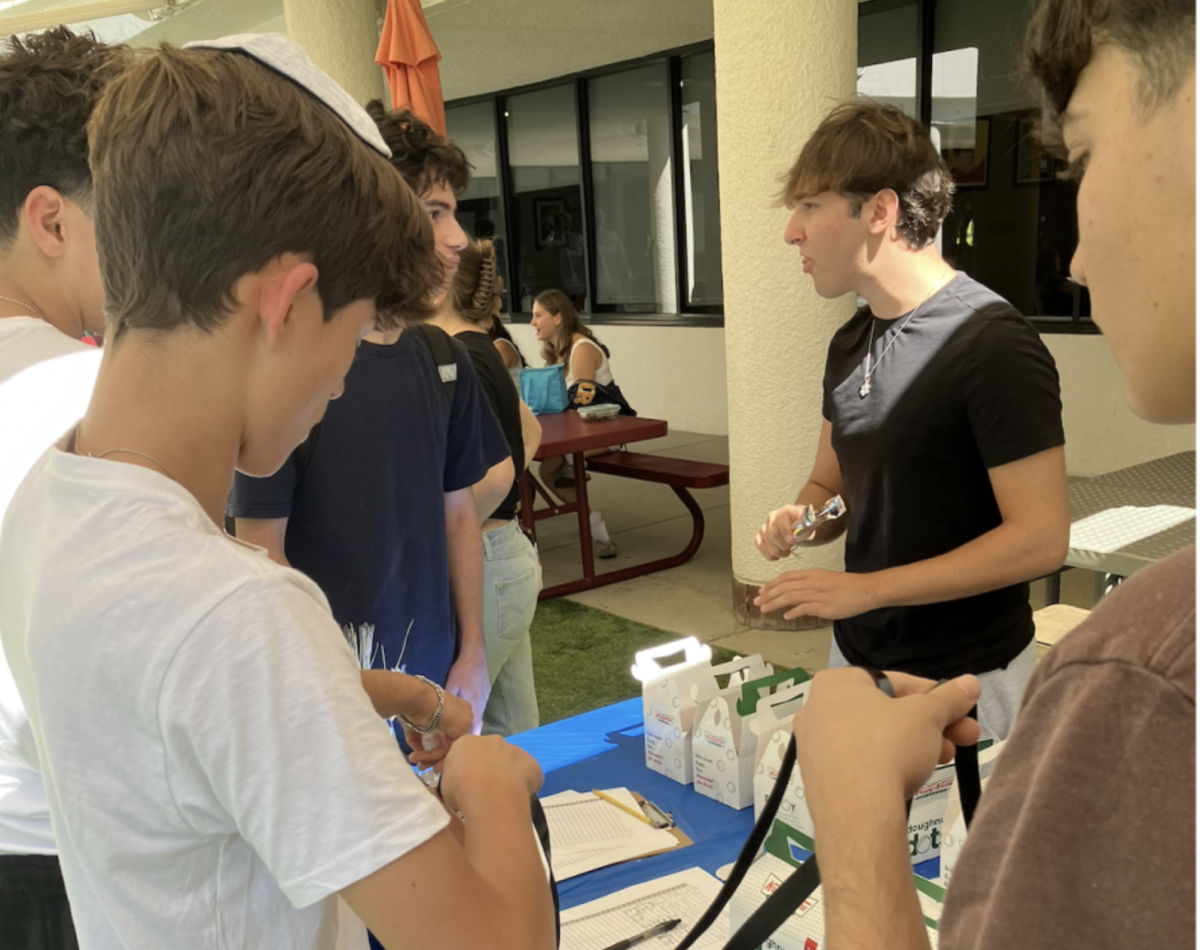
After only a couple weeks of school, many clubs struggle to fill their once-a-week lunch meetings. During dTHS’s club fair, students flock to stations and write their names on an application sheet; later in the year, participation in some clubs plunge. Director of Student Life and head of clubs, Mr. Wiebe said, “I have already shut down two new clubs this year because they couldn’t get the members.”
The head of the Chess Club, Lev M. (‘27), believed this problem could stem from the club leadership. He recalled that last year “[his] club suffered when the former leader only cared about college applications. Only four people came to the chess club, which made it difficult [to maintain].” The careless leadership almost led to the demise of the club.
Mr. Wiebe has acknowledged this problem, but said that upcoming club leaders “are supposed to describe why they want to form a club, and sometimes there is an interview,” so he can make sure the student is genuinely interested. But he “can’t get in someone’s head. Some are very passionate, some are just in it for college applications.”
On top of starting clubs, some students also join clubs as a performative gesture. A dTHS student said he only joined a club for improved college applications, adding, “the meetings are boring,” even though he “joined the club because it sounded intriguing.”
However there are many clubs that thrive under passionate leadership. Mr. Wiebe sat in on a meeting with the Sports and Culture Club and saw that it was full of energy.
He also has noticed resurgences in clubs who combine forces to solve participation issues. The Thrift Club and Fashion Club recently combined, and Mr. Wiebe noticed that the merger benefited both greatly.
Mr. Wiebe said, “One of the challenges is that students are very busy. Students may sign up for clubs because [it’s an interest of theirs], but they don’t have the time.”
There are more than thirty-five clubs at dTHS, meaning there is one club leader for every nine students.
This is a glaring issue when considering club meetings happen during lunch, and bonus period only happens three times a week.
Noah F. (‘28) said he “lives far away from campus,” making his lunch period “even more important to use for school work.”
Member of the dTHS basketball team, Max M. (‘28) said, “I get home late… during lunch, I’m studying and doing homework.”
But Mr. Wiebe said there is not much he can do about this because there is no other time for clubs to meet.
Clubs at dTHS offer a way for students to branch out their interests, but some clubs are built as an extension of another topic that already exists within the dTHS space. If someone were to start a club on a brand new topic not offered at dTHS, they would have difficulty finding members compared to clubs with established interests.
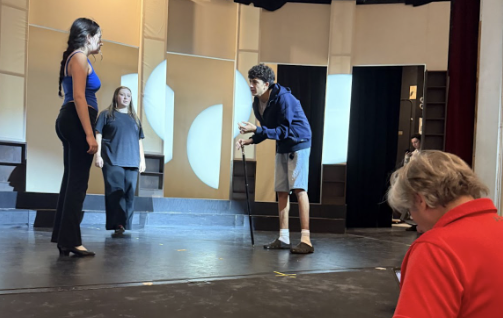
Lielle A. (‘28) is passionate about the Theatre Club. As someone who acts in dTHS’s seasonal theatre events, she takes this club “very seriously.”
Dylan S. (‘28) is involved with the school band, so he is encouraged to be a part of the Music Appreciation Club. He attends every meeting once a week, and is heavily involved with it.
Jonathan B. (‘28) also brought up another issue, saying, “he forgets when club meetings are,” which might be a problem derived from the cell phone policy.
Clubs are one of the broadest and personalized extracurriculars dTHS offers. When students are leading and joining clubs for the right reasons, they will experience the full affect of the positives of school clubs
