





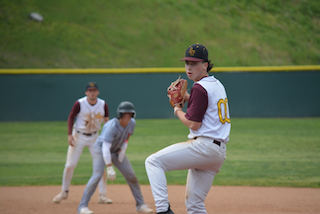


It was supposed to be one of the biggest weekends of my life. A showcase game schedule filled with hundreds of college coaches across all collegiate levels. After an anticlimactic hour-long tryout in the Arizona summer heat, it was time to prove myself in my first showcase game. Every rep, every throw, and every swing mattered. I wasn’t just playing to have fun and enjoy the summer; I was playing not just for my future, but for my goals.
But everything changed in the blink of an eye. I threw the pitch, my elbow cracked, and my forearm and bicep stiffened with spasms and a sprain all within one minute. I went from being in the flow state on the pitcher’s mound to talking to my coach outside of the dugout, holding an ice pack. The worst look anyone could give off to a college coach is holding your arm in pain.
My coach was advocating for me to the college coaches, then two seconds later, questioning me about what happened and if I would be healthy for the rest of the games. My mind started racing to every possible career-ending injury that it could be. At that point, I thought I was done. Until I called my athletic trainer. He said it looks like it would be just a small sprain and would take two weeks to heal. Still wary about my injury, my dad and I called my mom to see if my doctor back at home was available to see me. She was, and we started strategizing on how to get me seen the fastest, so I can get back on the field.
As a result, we decided to drive back that night, lying in pain the whole ride home, constantly thinking of what I would do without baseball. I thought my career with baseball was over.
I went from the mentality of being ready to play this weekend and to prove myself to the coaches, to sitting in the doctors’ office, wondering if I would be able to throw again—something no athlete wants to think of, especially in a crucial era of college recruiting.
At the point of these showcase games, I had no offers and no consistent contact with coaches, so this was supposed to be my time to shine. Well, that didn’t end up happening, as you know. So I came back and really pushed with these coaches after the injury, texting them and making myself known. It paid off. I went from no contact and no offers to two offers.
Experience after experience, I came to realize that college coaches don’t get affected by whether you are injured. If they already like you and want you to play for them, then they aren’t so alarmed by your injury. This is something many recruiting experts talk about. Coaches understand that injuries are part of the game. They have all been there and done that. What matters more is honesty and communication. Hiding your injuries and pretending that you are totally fine and not in pain only ruins your trust. It’s important to keep the coaches updated, so it shows your maturity and responsibility. From what I have heard, many programs appreciate the athletes who recover from setbacks like that, so they know that you can handle it and be independent in case that happens again.
I also learned that getting injured during your time being recruited doesn’t completely ruin your chances.
While the injury at first felt like the end of my career, it forced me to step up and advocate for myself and remain persistent and perseverant, even when I physically couldn’t perform out on the field. Later, the coaches told me that my persistence and my determination to play, even when I couldn’t physically play, stood out through my communication with them. They valued the fact that my injury didn’t end up silencing me. In the recruiting world, communication and dedication mean more than your performance, especially when they already know how you play. Everyone always says coaches care more about how you handle yourself off the field. It’s true. If you are interested in college baseball, you already have the skills to play, so it’s all about your effort and attitude.
At the end of the day, if a college is already offering you a spot on the team, that means they have already seen you play and believe you can be a key contributor to their program. One injury doesn’t erase their confidence that they already have in your potential.
