
















At the end of each year, every student at de Toledo High School is called into their college counselor’s office to select their classes for the next academic year. Between discussions about AP courses, extracurricular commitments, and graduation requirements, there is one decision that consistently sparks a mix of excitement and uncertainty: whether or not to take a free period.
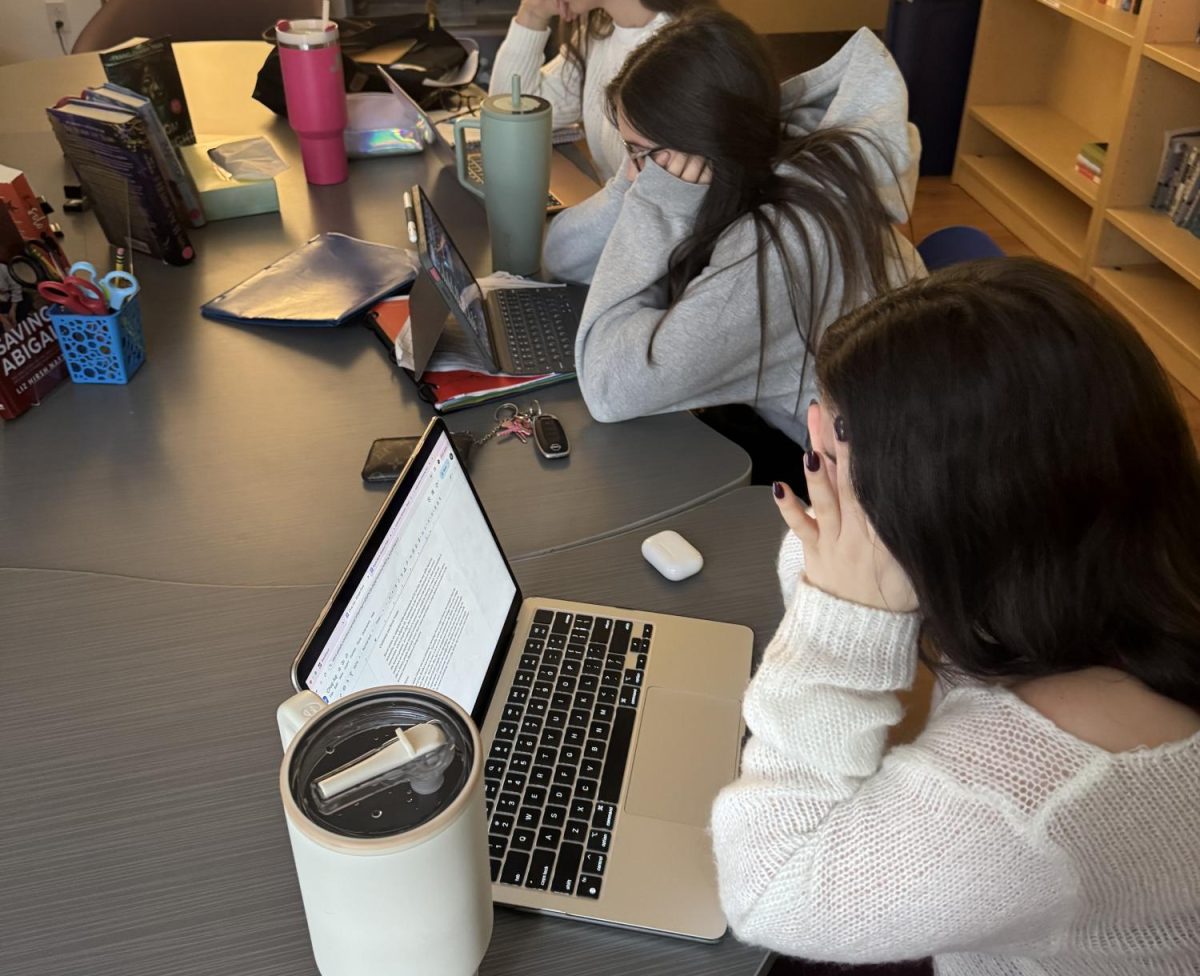
A free period, at least in theory, is a built-in block of time meant to offer students a pause in their otherwise nonstop day. It’s supposed to function as a chance to catch up on homework, meet with teachers, study for upcoming exams, or simply decompress before heading to the next class. On paper, it’s a valuable tool for promoting balance and encouraging responsible time management.
But what actually happens during these free periods? Do students really use them as intended, or does the theoretical purpose drift once the schedule becomes reality?
According to a University of Minnesota study, 88.7% of high school students reported studying or doing homework outside of school hours, spending an average of 2 hours and 20 minutes on school days. This shows that while students do dedicate time to academics, a lot of that effort happens after the school day, making free periods less of a guaranteed productivity zone and more of a flexible buffer that students use differently depending on their workload, motivation, and energy.
In other words, free periods don’t automatically become miniature study halls simply because they exist…even if parents like to imagine otherwise.
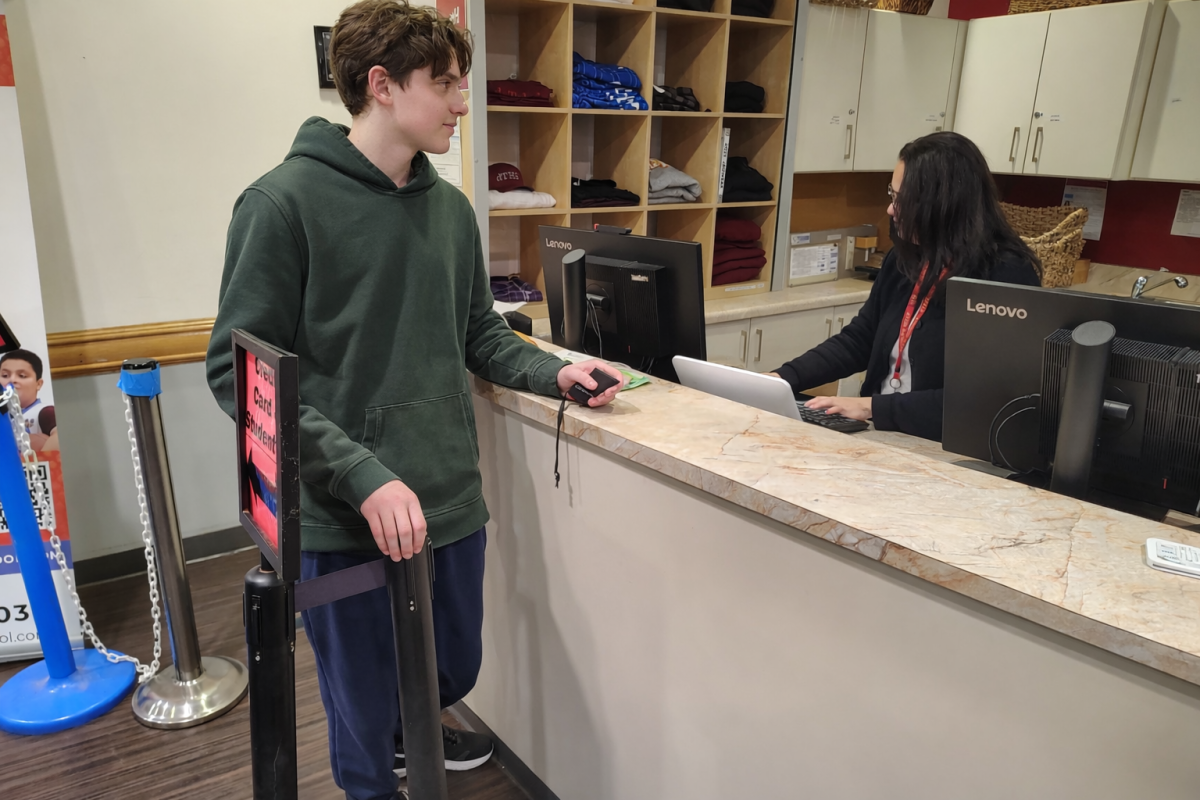
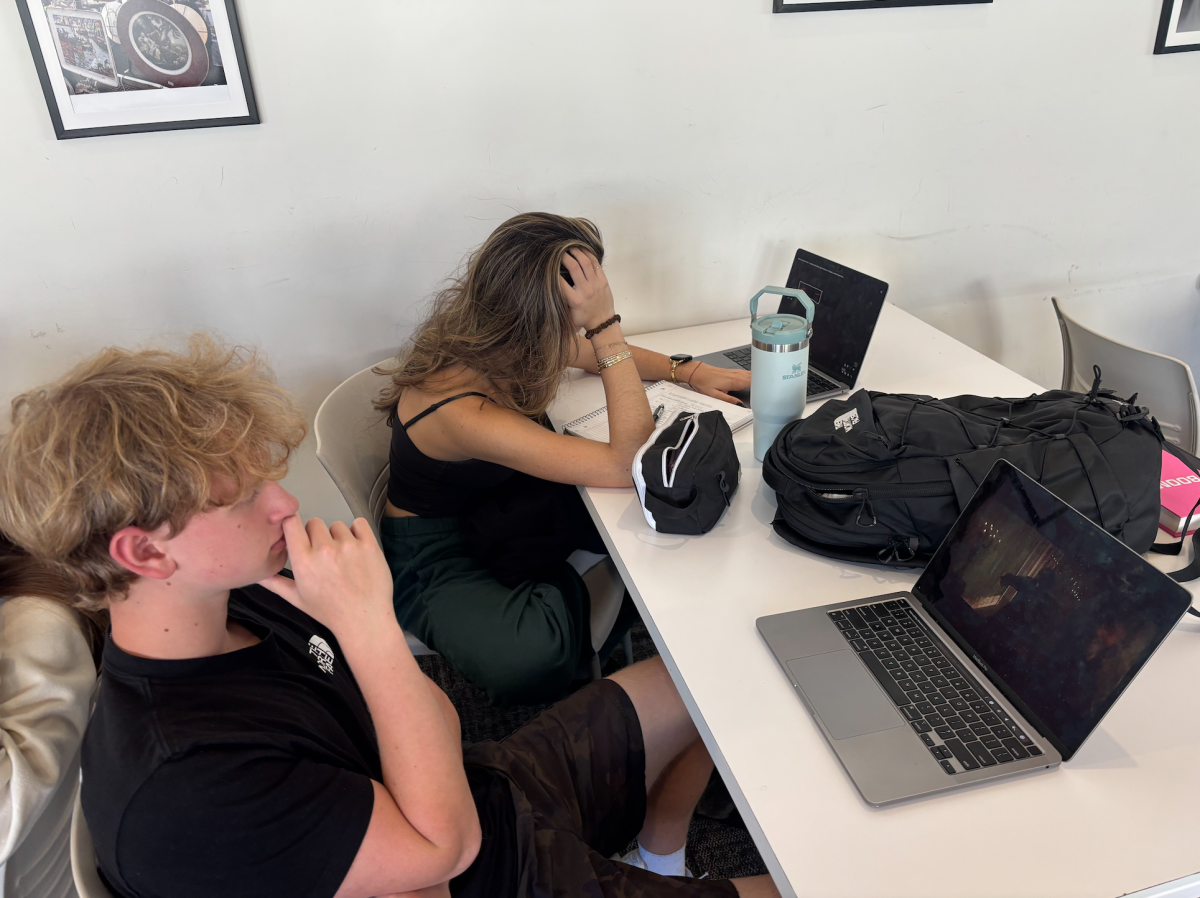
When asking Junior Lev M. (‘27) what he does with his free period, he responded, “Recently I’ve been watching movies, because that’s enjoyable for me. Sometimes I’ll do work that I didn’t complete at home if it’s due.” He continued, “For the most part it’s unproductive.”
A survey was sent to the tenth grade parent group chat, asking what they think their kids do during their period. 13 parents responded in total; 4 out of 13 said they socialize with their friends, and 9 out of the 13 said they did homework and/or met with tutors.
That same question was posed to the tenth-grade students (whether they socialize or do work). Eleven students responded. To most parent’s pleasure 7 out of the 11 said that they do homework/meet with tutors, and only 4 out of the 11 said that they socialize/relax.
While many students use free periods for academics, some don’t, and it’s not necessarily because they’re irresponsible. Factors like mental exhaustion, social needs, and a heavy workload can make productivity unpredictable. Instead of treating free periods as mandatory study time, perhaps the real value lies in giving students autonomy to decide how to balance their day.
There is not a direct correlation between students who do not work during free periods and irresponsibility, but rather the “unproductivity” could be linked to mental fatigue. A statistic found by the APA reported that 60 percent of teens face significant school-related stress, which affects their ability to focus on work. Therefore, when teens use their free period for their leisure, it is most likely a natural response to exhaustion and not a lack of motivation.
High school is a time when students are learning how to manage themselves, prepare for college, and handle more independence. Free periods play a part in that process. Some students use them to work, and others use them to relax, but both choices reflect the reality that they are still developing responsibility and learning what works for them.
In college and in life, no one will structure every minute for a student, so figuring out how to use free time is an important skill. Free periods give students the chance to practice independence, in a setting where they can still learn from their choices.