



















Stepping off a plane in Los Angeles is one thing; stepping onto a high school campus is another. Uruguayan exchange students at de Toledo High School have noticed major contrasts between school life in Los Angeles and Montevideo, particularly in culture, rules, and independence.
In Uruguay, cell phones are permitted during breaks but are not allowed during class time, which is how de Toledo used to be in previous years. However, in Montevideo, those rules during class aren’t strictly enforced, and oftentimes, teachers won’t comment if they see a student on their phone. Here at de Toledo, this is the first year we have a ‘No cell phone’ policy, which has been strictly carried out. If a phone is seen outside of a student’s backpack at any time of the school day, it will be taken.
Nicole S. (26’), a Uruguayan exchange student, shared her observations of the differences between the schools: “On one hand, it’s not so great using our phones because using them too much makes you not able to pay attention. But if you have important things to do or need to search for something, it’s good. I think they’re too strict with it here.”
While Nicole found a benefit of the phone policy, fellow Uruguayan exchange student, Agus D. (26’), completely condemns the rule, even going as far as to say that it is a trust issue: “It’s useless. The authorities in this school don’t trust the students.”
Our Uruguayan exchange students have noticed several cultural differences between Los Angeles and Montevideo. One of the biggest surprises to them was the fact we have a gender neutral bathroom. This is just one of the culture shocks they faced when traveling here.
When seeing someone, most Americans “hug or do nothing. It’s so awkward,” said Flor N. (‘26). She then explained that in Uruguayan culture, they kiss on the cheek every time they meet, even if they see each other often.
Nicole K. (26’) pointed out another major difference: the sense of community. “In Uruguay, the community is tight-knit.” She explained that this is largely because people live close together, which “gives the place a small and homey feel; everybody lives close to each other.”
Nicole then explained that they don’t have much outdoor space at their school and said, “Having an outdoor space is very beneficial for all of you since, on your break, you can go and just chill.”
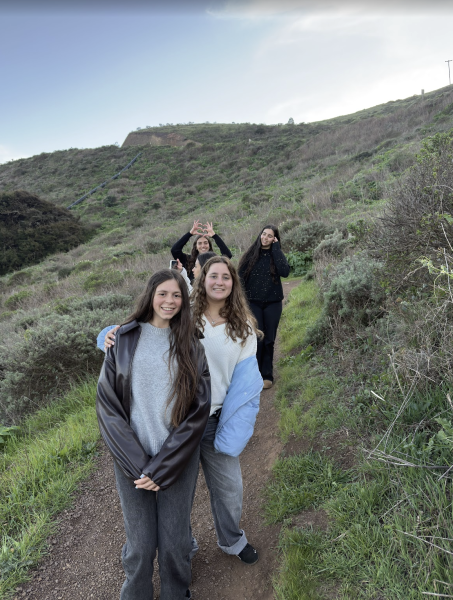
Magui. R, (26’) shared that driving gives students here a powerful sense of independence. She found it exciting that students can travel around the city on their own without relying on parents or public transportation. For her, parking at school isn’t just about convenience; it symbolizes freedom and responsibility that students in Uruguay usually don’t experience at the high school level.
Other Uruguayans echoed this surprise at how frequently American teenagers use their cars. Noa C.(26’) said, “You guys drive your car so much, and while you are so young.” In Uruguay, teens must wait until they are 18 and have to go through a much harder process to get their licenses.
From the rules regarding cell phones to cultural differences and transportation, the Uruguayan exchange students found L.A. and de Toledo exciting and unique. Ultimately, it is through these striking differences that they were able to find a deeper appreciation for both their own culture and the community that welcomed them.