
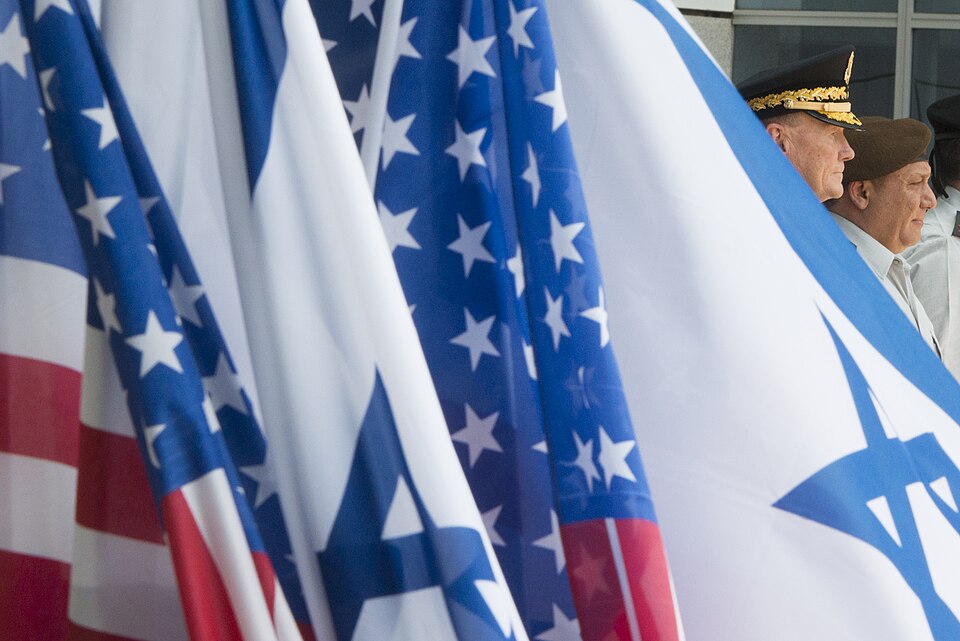
As of printing it’s Nov 10, 2026 for the past couple days the Israeli election has been a standoff. Neither side has reached the 61 seats that they need to win the election. The Netanyahu Likud party has 53 seats while Eisenkot Yashar party has 48 seats. This seems usual. The unusual part is that the Arab party took 19 seats in the election, which is a record. Current Prime Minister (PM) Bibi Netanyahu has said that the Arabs rigged the election, but there has been no evidence in that being the case.
Now you may ask what’s happening next. Right now no one can predict who will win, but Bibi and Eisenkot will try to find different coalitions to partner with them to get the minimum seats needed, but for now it might take a while because both parties don’t want to partner with the Arab parties. Both coalitions have somewhat agreed on not letting Arab parties join their coalition because, up until recently, the Arab parties have yet to condemn Hamas as a terrorist group.
Now let’s look at the American side that impacts Israeli elections: recent midterm elections went horribly for Trump and the Republicans, signaling that Americans are fed up with Trump and his policies. For the Israelis this is bad. Trump, normally a supporter of Israel, is now falling out of favor in the U.S. Earlier this week he announced that America will stop sending aid to Israel but this doesn’t mean that the joint Israeli-American bombing campaign over Iran is over either. If Bibi is still able to hang on to power for now, he and Trump will keep on attacking Iran.
However, the war is also a reason Israelis are fed up with Bibi. Globally Bibi has fallen out of favor, so now president Herzog is letting Eisenkot get first dibs on forming his government.
Another possibility is that Likud joins the Eisenkot coalition in exchange for a full pardon for the head of the party, Bibi. The current PM Bibi has been accused of genocide and aparthied by the United Nations, which Bibi dismissed, so a Likud-Yashar partnership abandoning Bibi but pardoning him could be of interest for Bibi himself and Eisnenkot which is why people need to watch out for this.
Overall when we look at what the deadlock means for the Israeli election, we don’t know who’s going to win yet but from the looks of it Eisenkot may have the upper hand with the first round opportunity to form his coalition. However, if you’ve followed Israeli politics through the years, Bibi still has tricks up his sleeve.