











You can look all day online or in a book and hear about these things and read about them, but to be there and to hear from people who were actually there at the time that it was happening is invaluable.There is an ongoing debate about how civil rights and slavery education should look in schools. This argument has extended out past youth education, with the Trump Administration in March of 2025 announcing several reforms on race education nationwide.
The White House posted, “Our Nation’s unparalleled legacy of advancing liberty, individual rights, and human happiness is reconstructed as inherently racist, sexist, oppressive, or otherwise irredeemably flawed.”
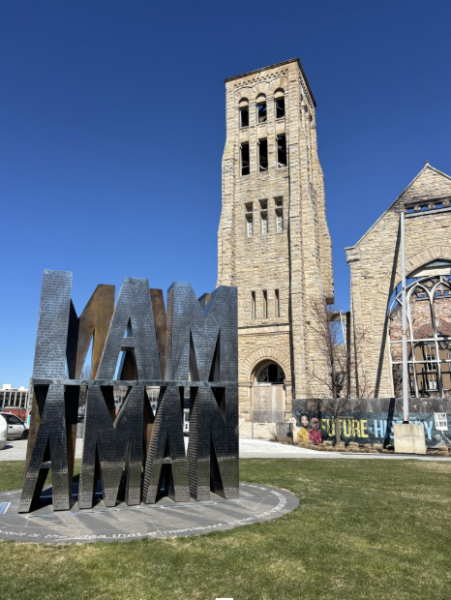
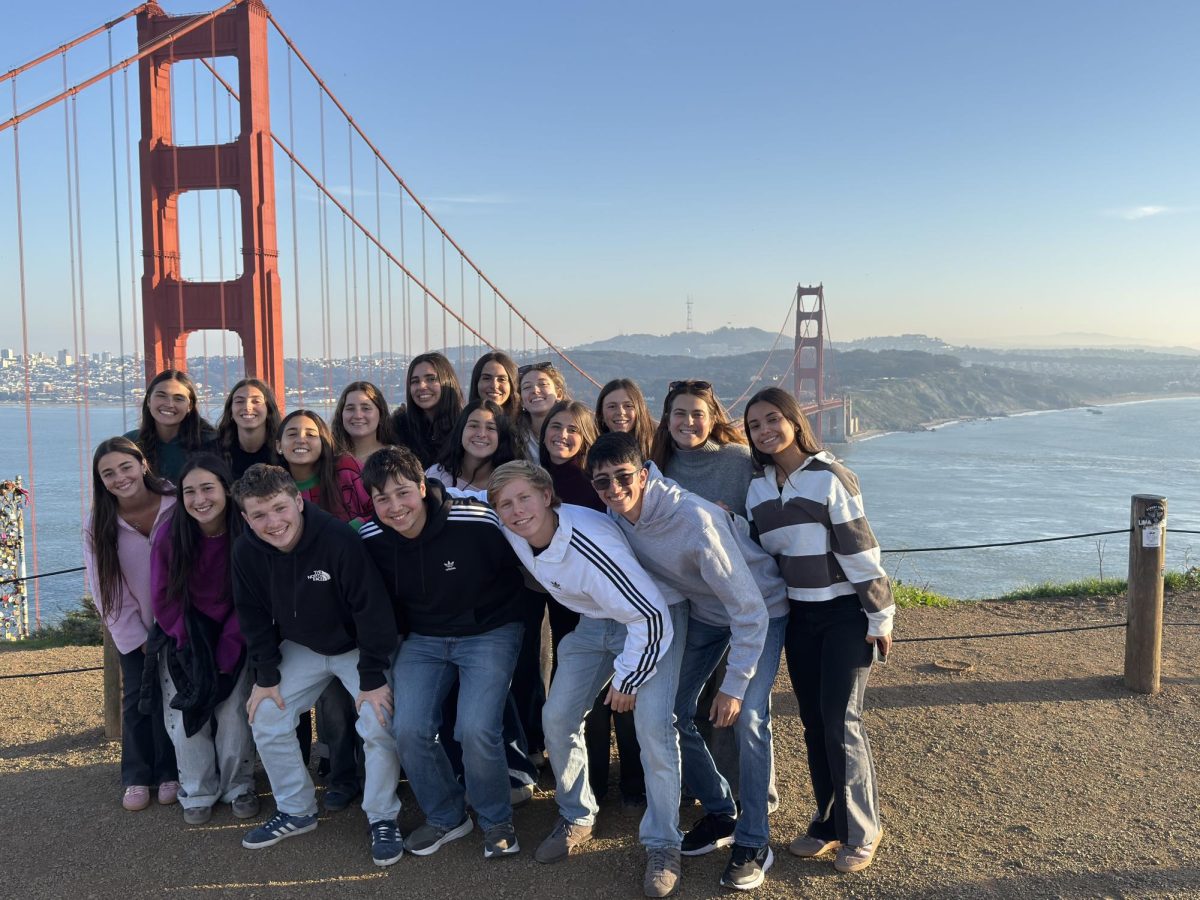
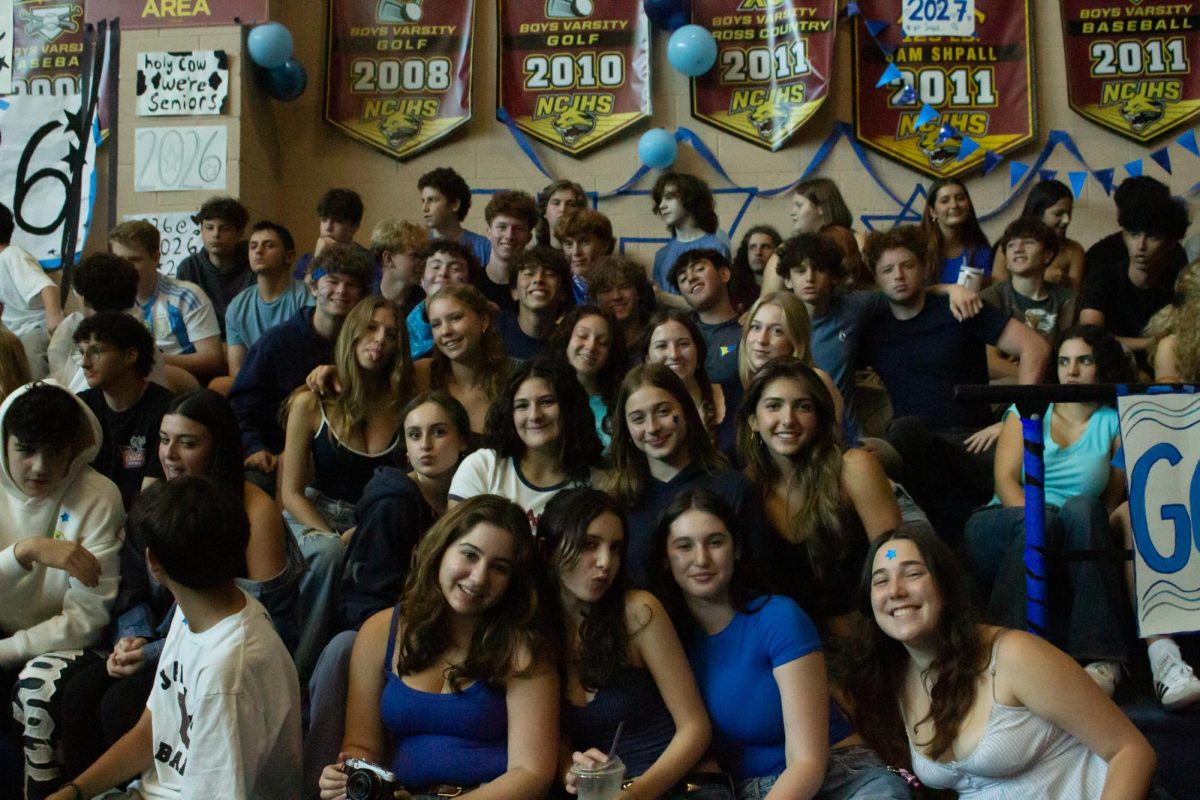
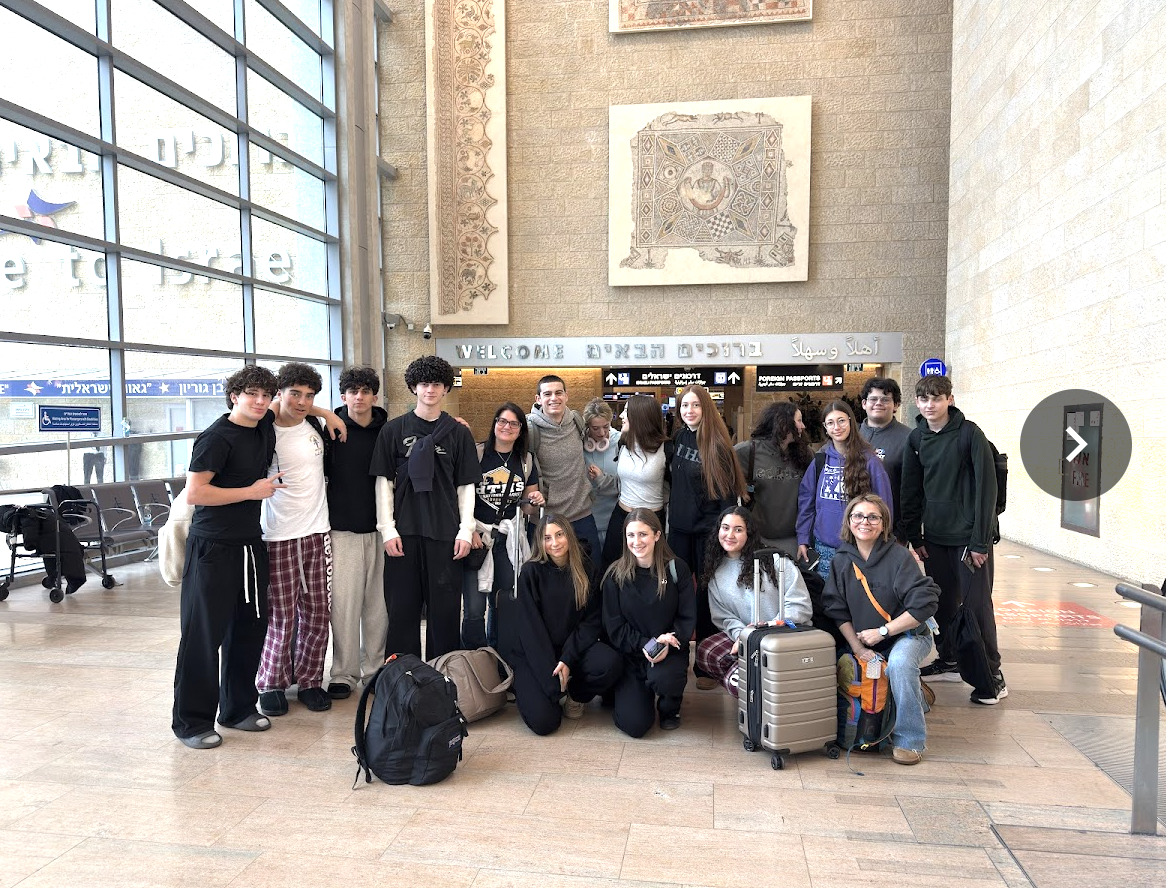
Amidst the heated political climate, Juniors at de Toledo took a trip in late February to the Deep South to learn some of the country’s history. From Memphis to Selma, 11th graders learned about the history of the Civil Rights Movement with Tzedek America, a Jewish organization focused on justice, education, and tikkun olam, the Jewish concept of repairing the world.
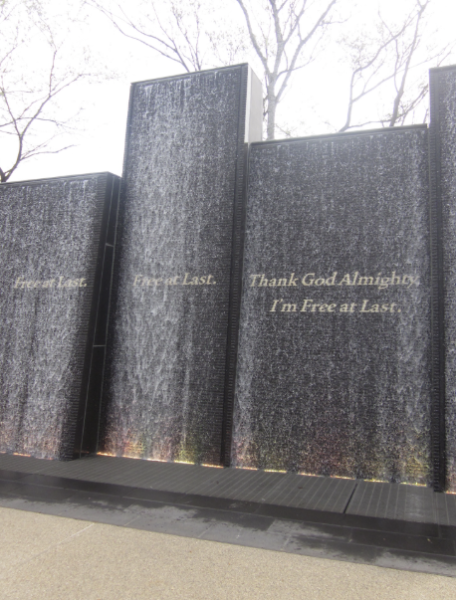
Juniors traveled to Memphis, Birmingham, Montgomery, Selma, and La Grange, visited monuments and churches, and heard first-hand accounts from marchers on Bloody Sunday.
Something very special about this trip was the conversations with the marchers, or foot soldiers, gave 11th graders a first-hand experience. According to Rabbi Adrianne Pasternak, Associate Director at Tzedek America, “Proximity breeds empathy.”
Pasternak said, ¨Students … can start to think about where systems might be broken, and where they might feel passionate about putting their energy towards making it better.¨
In the wake of the conversation about how race centered topics should be taught, this trip is essential, as it puts students in the shoes of the participating reformers, rather than trying to feed them a specific narrative.
According to Darren Masserman, 11th grade dean who attended the trip, ¨You can look all day online or in a book and hear about these things and read about them, but to be there and to hear from people who were actually there at the time that it was happening is invaluable.¨
Experiential learning, like programs during the South Trip, boosts knowledge retention up to 75% according to the National Library of Medicine. The lived lessons help students understand concepts that are multifaceted in a new way.
Pasternak explained that part of the importance of this trip is to help students understand that not everything they are told and educated on is the full truth: ¨Think about what might be missing, or what part of the story is not being told.¨
This point is increasingly important going forward in the face of the political polarization in the United States.
Fox News recently published an article interviewing Lies My Liberal Teacher Told Me author Wilfred Reilly, who holds a Ph.D. in Political Science from Southern Illinois University and a J.D. from the University of Illinois College of Law. In the interview, Reilly says that the goal of modern textbooks is to ¨present Western culture as probably the worst culture in the history of the world,¨ and the reason teachers focus on the Post-Atlantic slave trade time frame of slavery is to ¨[allow] the pedagogue, the professor or the teacher, a chance to segue into the modern oppression of Black people.¨
Reilly is a well-educated, compelling writer and speaker, but misses the key purpose of history education when he claims current historical education on such topics to be ¨sneaky.¨
In 1998, before this debate really began, the American Historical Association published an article titled “Why Study History?” The article claims history “offers the only extensive evidential base for the contemplation and analysis of how societies function, and people need to have some sense of how societies function simply to run their own lives.”
History’s function is to provide context and insight into modern situations. It is to provide an answer to “How did we get here?”
de Toledo’s trip taught 11th graders that education is essential to coming up with their own logical opinions and beliefs. Trips like these, and learning in general is important for the development of well adjusted adults who do not fall subject to political manipulation regardless of their beliefs.
