












Like flies sprayed with hairspray, more and more kids on SIEP were dropping out, even up to the morning of our scheduled flight, because of the tensions growing between Israel and Iran.
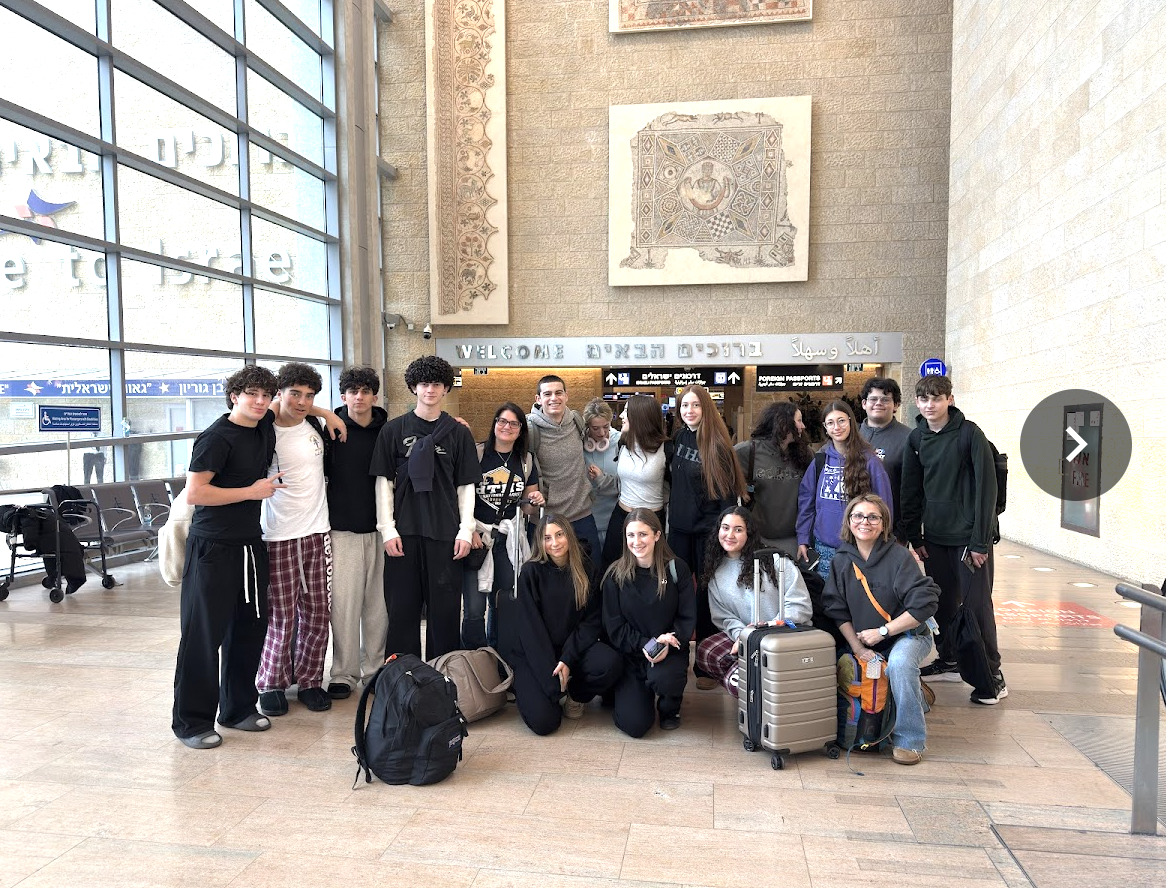
When I arrived at the airport, the 40-kid roster had dwindled to only 15. From the outset of the trip, I knew I was embarking on an unpredictable experience. Filled with emotions, anxiety, and excitement, no one knew what this trip would bring.
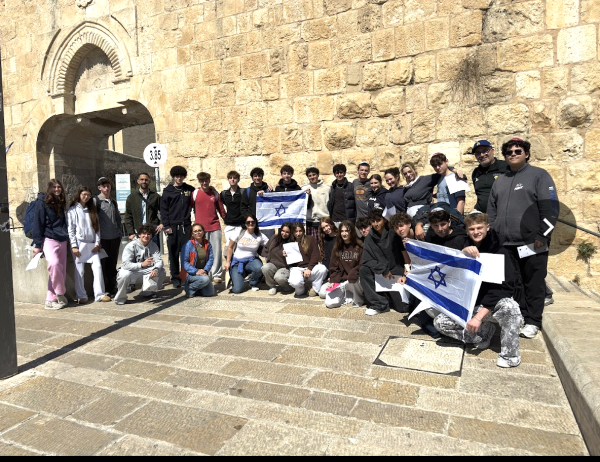
For the first week in Israel, all went as planned; we stayed in three hostels across the Negev, rode camels, and visited sites like Masada and Ben Gurion’s grave; everything was calm. When we arrived in Jerusalem, we had a traditional Shabbat dinner at our hotel, candles lit, the smell of fresh challah, and everyone praying together.
The next morning, the trip and our lives changed forever. I was getting ready for the day when, suddenly, a loud alarm echoed loudly, wailing on and off. Fear washed over me. I knew that this was a missile alert, so I started shoving my most important valuables into my bag and sprinted out of the hostile zone with my shoes half on to a shelter in the parking lot. Voices screeching, kids running around in chaos, and teachers calming down students. What was once a calm Saturday morning became chaotic, leaving us with unanswered questions. How long would we be in shelters? How imminent is the threat? No one knew anything.
When all of us arrived in the bomb shelter, our hearts were racing, wondering when it would be safe to leave. To relieve our stress, we all decided to start singing and dancing to Israeli music. The news was continuously on, watching every boom and missile launched from Iran, waiting for some positivity. SIEP student Mia F. (‘28) said, “When you look at TV, you have the news and other sources freaking you out. Sometimes [we] heard a boom, but remember[ed] it was an interception that blocked something from hitting us.”
As time went on in the shelter, all we could hear was the “DING…..DING” of our phones, since our parents were trying to get a hold of us. All of us ironically felt safe and calm because we knew this was normal in Israel.
After a few days of sharing many laughs in bomb shelters and switching to a safer hotel with a better-suited bomb shelter, the de Toledo staff had to make an improvised plan to get out of Israel. We were all emotional because we had built strong connections and didn’t want to leave without seeing our Israeli counterparts again. Tel Aviv was where they lived, and we wanted the chance to spend time together. Ultimately, we understood that we could not visit Tel Aviv at this time of war, though we left with heavy hearts.
Despite missing Tel Aviv, people had an unforgettable experience, staying in hotels together, growing closer while stuck in ten-by-ten-foot spaces, making inside jokes in the shelter. Charleigh G. (‘28) said, “It wasn’t as bad as people thought since I was with my friends, playing games, watching TV, and we all felt safe together.”
The plan to get out of Israel was to cross the Israeli border, fly to an Egyptian airport, then fly to Rome, stay overnight, and return to Los Angeles. It was going to be a long journey, but it was necessary to go home. Worried texts filled our phones, but we reassured our loved ones that we would be okay.
The next morning, we woke up at 4:30 am to catch the bus to the border. As the last views of Israel shone through the window, a sorrow fell on the bus. All of us reminisced about what we went through.
After our flight from Egypt to Rome, the whole group went out to different restaurants and ate fresh pasta and pizza while we listened to people on the street singing and dancing. To us, it felt like a relief after the journey we’d been on.
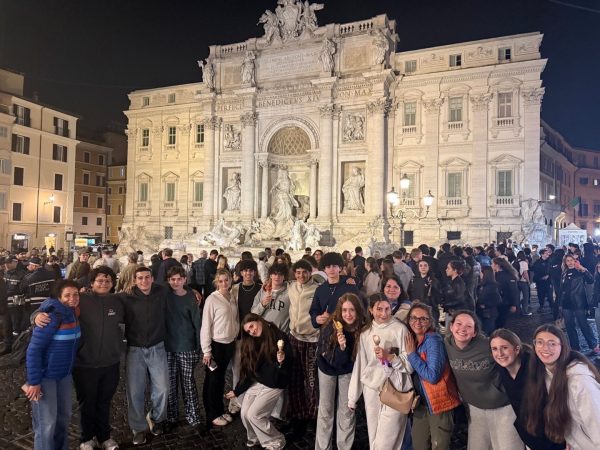
The next morning, we had to get up for the airport, the last leg of our trip, and melancholy filled the bus again. We boarded with a bittersweet feeling, knowing we’d see our parents again, knowing we’d missed a key part of our exchange.
When we finally arrived at LAX, our parents were cheering and shouting with love. Parents were crying. The look our parents had was like finally breathing after being underwater too long. I knocked the breath out of my parents with my hug; as long as they could hold their child again, after not knowing whether they would ever see me again.
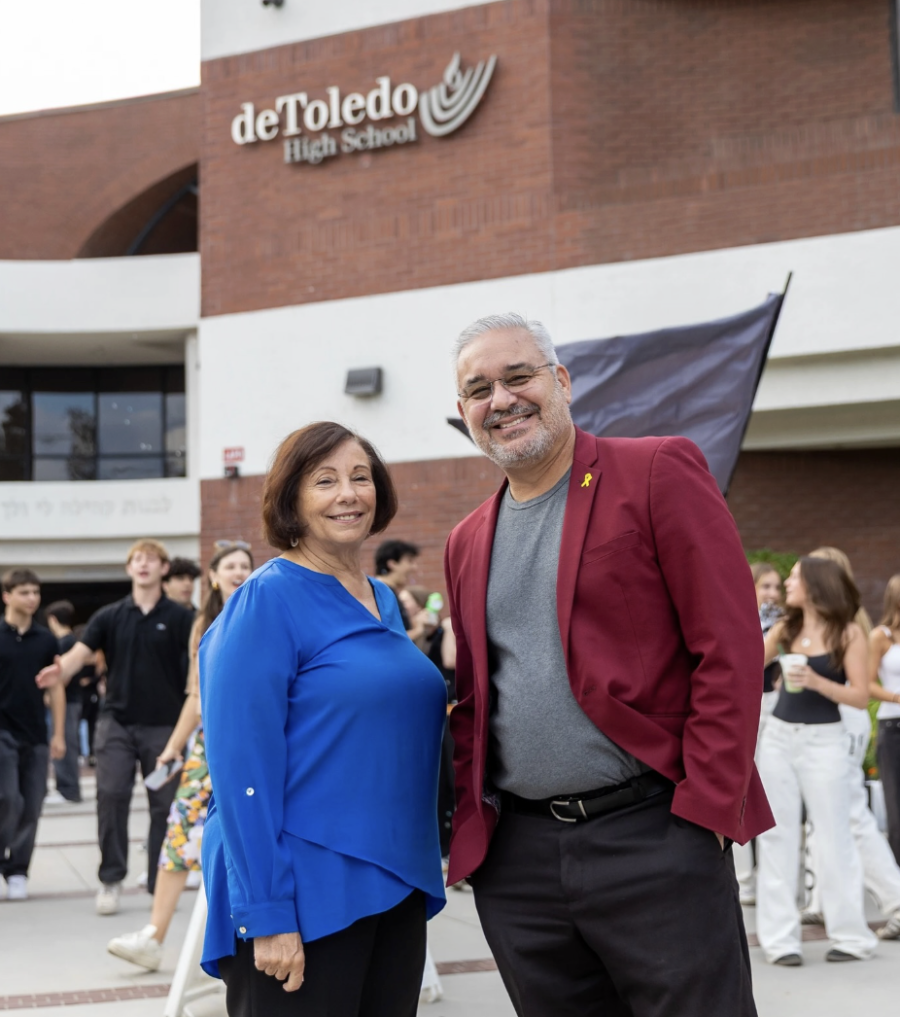
While in Israel, Head of School Mark Shpall said, “It probably felt much scarier from farther away, and it was inspiring to see how Israelis and our students quickly learned to cope with the realities of the alerts.”
Many people asked me, “Maya, do you regret going to Israel during a time of war?” and every time, I always said the same thing as the other students on the trip: being in a war setting with unknown outcomes made the trip an adrenaline-rushing, exciting experience, where we all bonded. Maya R. (’28) said, “My understanding of Israeli culture broadened in terms of how they act during serious crises such as this war. I saw people outside just living their lives and not even flinching when the alarms sounded.”
Even though the trip didn’t go as planned, it gave us something even more meaningful: perspective, resilience, and bonds that will last long after our return from Israel.