








Every year, dTHS’s Medical Science Academy partners with Mending Kids, a non-profit medical foundation aimed at providing free, life-saving surgeries to children in developing countries to help the underprivileged recover from otherwise life-threatening conditions.
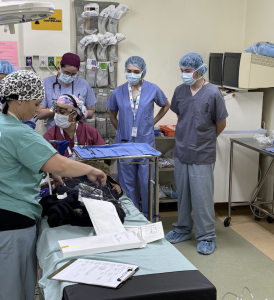
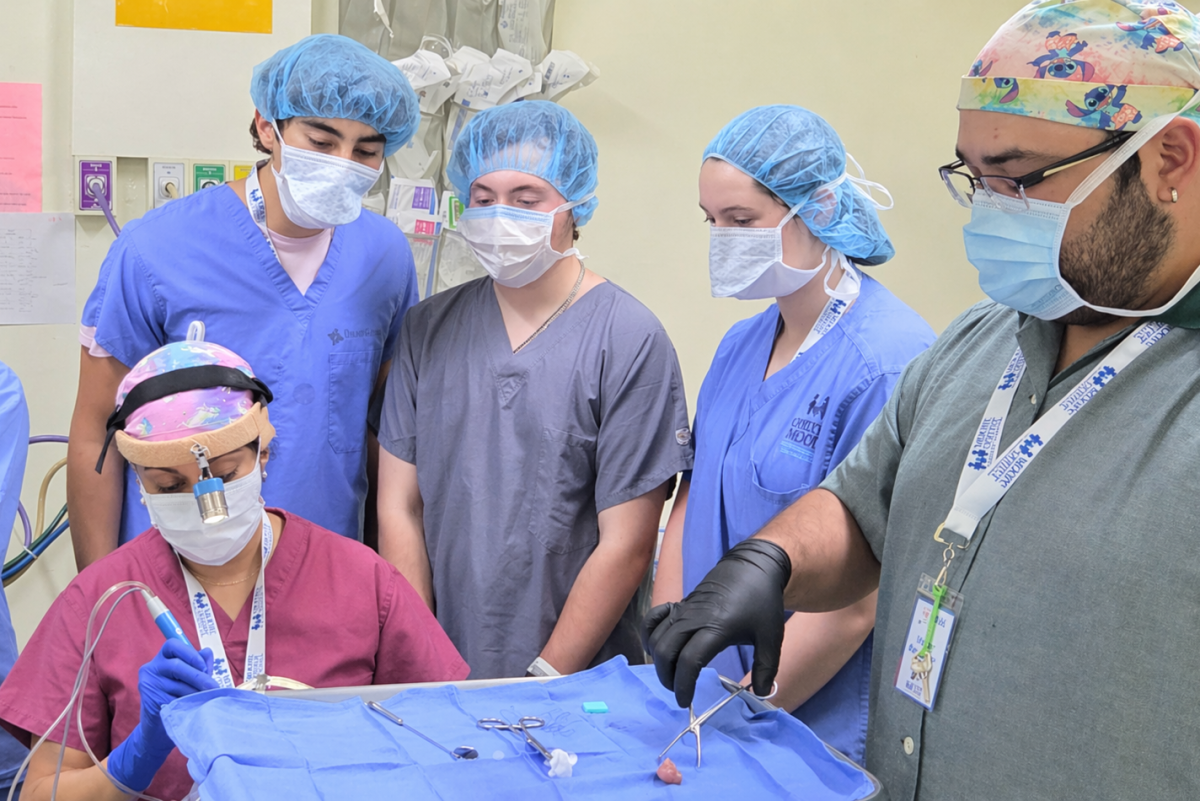
From March eighth to March thirteenth of this year, six dTHS juniors a part of the Medical Science Academy traveled to Guatemala on a humanitarian mission that provided ninety-seven Guatemalan children with life-saving ENT (ears, nose, and throat) treatment and surgeries.
Olivia S. (‘27), a student on the medical mission, said that “this mission is life changing” for the children that received care . While the procedures that are performed on the medical mission seem routine in the United States, “these children have to wait an entire year” until the mission returns for their issues to be resolved. There are also only four pediatric spiecialized ENTs in Guatemala City, which is not nearly enough to provide for the population of 3.3 million.
Taylor B. (‘27), a student on the medical mission, said, “Some of these kids… had been waiting for months [or years] for their surgeries. Being able to provide life-changing, [free of cost care] made a huge difference in their lives.”
Mr. Rayhan, head of the medical mission, connected their experience in Guatemala to “the overarching themes of Judaism and our Jewish school: being an A+ human being, and helping others [Tikkun Olam].” On top of providing students with “real world medical exposure,” this overseas mission is about “helping the doctors and patients and providing healing.”
Taylor B. recalled a three-year-old boy who was facing neck surgery. “During pre-operative paperwork… this adorable child clung to me, clearly feeling scared and vulnerable,” she said. In the pre-op room, “he leaped into my arms, crying… until he was put to sleep.”
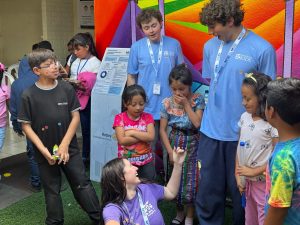
On the last day, “the [same] little boy’s mother came up to me with the most precious bracelets, a thoughtful gesture that truly touched my heart.” As a whole, “It was amazing to see the relief on their faces and the happiness of their parents knowing that this was a turning point for their families.”
Olivia S. said, concerning medicine, Guatemalans “show their appreciation in a way that Americans never do.”
This is a great factor in why the doctors partake in this humanitarian work. “Many of them receive handwritten cards and pictures from families who show their gratitude for them.” The doctors said that “these notes are something they cherish and this appreciation from the families is a huge reason why they decide to go on this mission.”
This reflects medicine in Guatemala as a whole; on the flight there, each of the 23 members of the medical team carried a “large duffel bag filled with medical supplies and toys” which was necessary for the medical team as the equipment in Guatemala isn’t as up-to-date as in the United States.
Taylor B. recalls Dr. Varma, a pediatric ENT on the mission, commenting about “how she would’ve done the surgery differently [in the United States]” because she didn’t have the level of post-op care, and couldn’t perform the surgery the usual way because of “the lack of modern medicine” available.
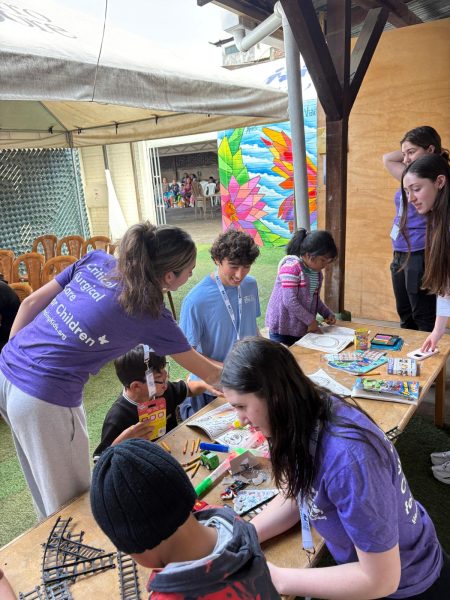
On the trip, students assisted the recovery nurses by monitoring the patients’ vitals and checking up on them. Outside of the strictly medical matters, Olivia S. said, “There were many coloring pages completed, nails painted, as well as stickers placed on clothing.”
During this time, being a Spanish-speaker, she formed a strong connection with Ximena, “a really sweet and cute nine-year-old who received surgery.” From the first day, until the last where there was a party with all of the children, they bonded for many hours.
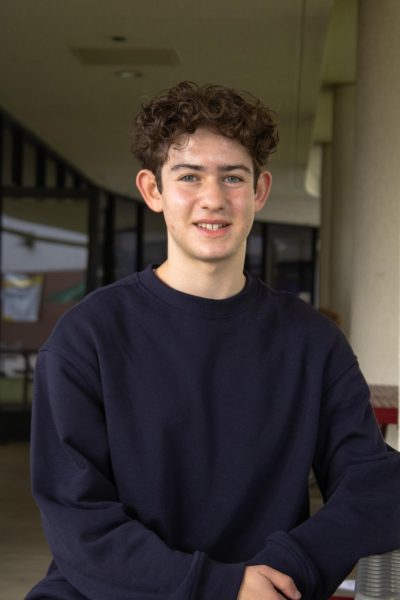
Miles S. (‘27), a student on the medical trip, said, “Just hanging out with a patient the day before and seeing it make her less nervous for a second was extremely rewarding… I helped wherever I could, whether that was checking families in, playing with kids, [or] taking patients down to their families after surgeries.”
“The trip reminded me why I want to go into healthcare: helping people matters so much to me, and it’s truly fulfilling on both ends.” Miles S. said.
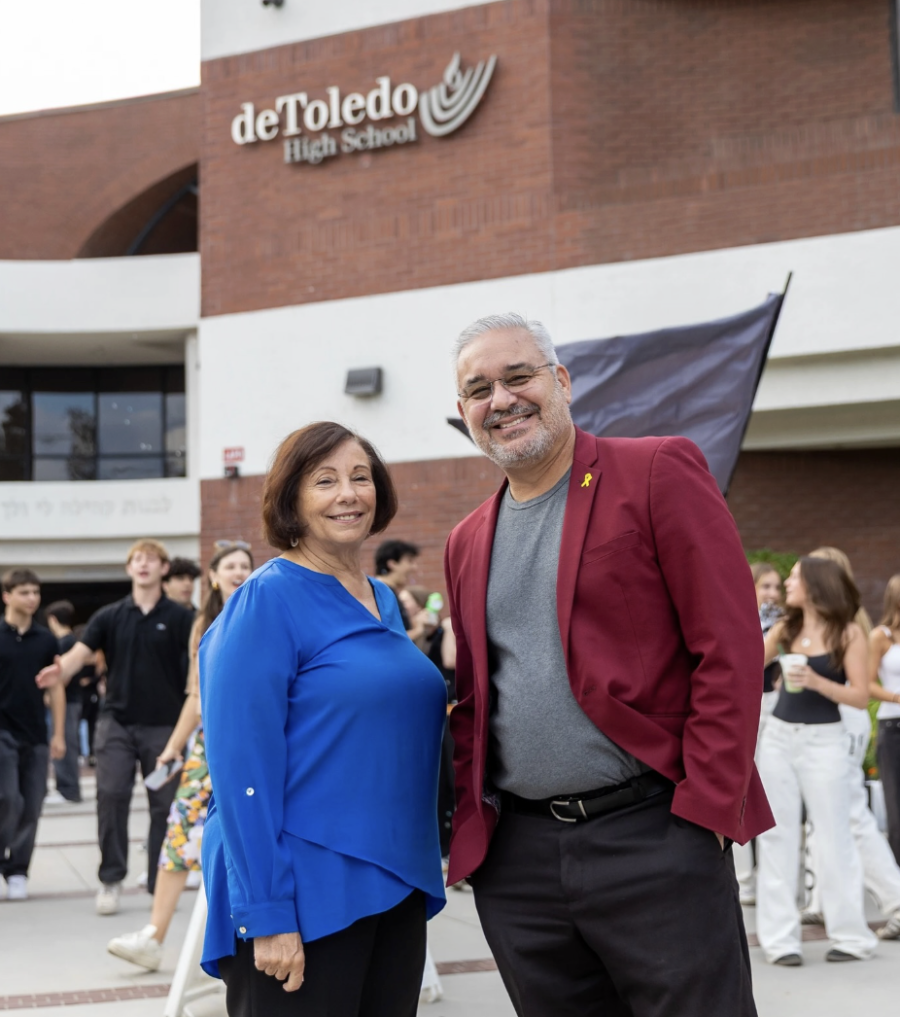
In an interview with KTLA, Mr. Schpall, head of school, said, “It really puts [the student’s] life in perspective” to realize how lucky they are to live with their dTHS community. “This is a huge added benefit that none of them expected to feel.”
For Taylor B., living in Los Angeles creates a “bubble effect.” oftentimes, people in her position “become blinded and oblivious to what is happening around them.”
She said that for people in Guatemala, “hygiene was clearly hard to manage,” as kids as young as three have “rotten teeth.” Her main takeaway she has from this trip is to “never take anything for granted… big or small.” Adding, “Being able to bring joy, health, and relief to these people … makes me want to go back and do the experience all again.”