

























Hosting the Olympics has long been seen as a highly exciting opportunity for cities, but it often entails significant financial risks. Preparing for the games can cost billions of dollars, with recent examples, like Paris 2024, reaching nearly 9 billion dollars. These costs include bidding expenses, building the stadiums, the villages for the athletes to stay, and upgrading security and transportation. While cities hope to gain tourism and improve infrastructure, the reality is most often less than positive. Many host cities struggle with debt for years after the games, and expensive venues sometimes will end up going unused after these competitions.
Historically, the cost of the Olympics has increased dramatically. In the early to mid-1900s, hosting the Olympics was a little easier because the games were smaller and the infrastructure already existed. However, starting in the 1970s, the Olympics had expanded, with more athletes, events, and especially security needs. This would lead to a skyrocketing in costs and financial concerns for the host cities. For example, the 1976 Montreal Olympics went from an expected $124 million to $1.5 billion in debt, which ended up taking decades to repay. These challenges have caused some cities to withdraw from hosting as a whole. Overall, this shows how risky the investment can be to host the world-renowned Olympics.
Despite these issues, there are still potential benefits. Hosting the Olympics can create temporary jobs, boost tourism, and improve infrastructure that cities can use longer than just the games, so the buildings don’t sit there unused. However, these benefits are often temporary or uneven, it is distributed, with profits ending up going to large companies instead of the cities and communities. Many experts agree that cities with pre-existing infrastructure are more likely to benefit, because they won’t need to build new facilities that will end up causing long-term financial risks and problems.
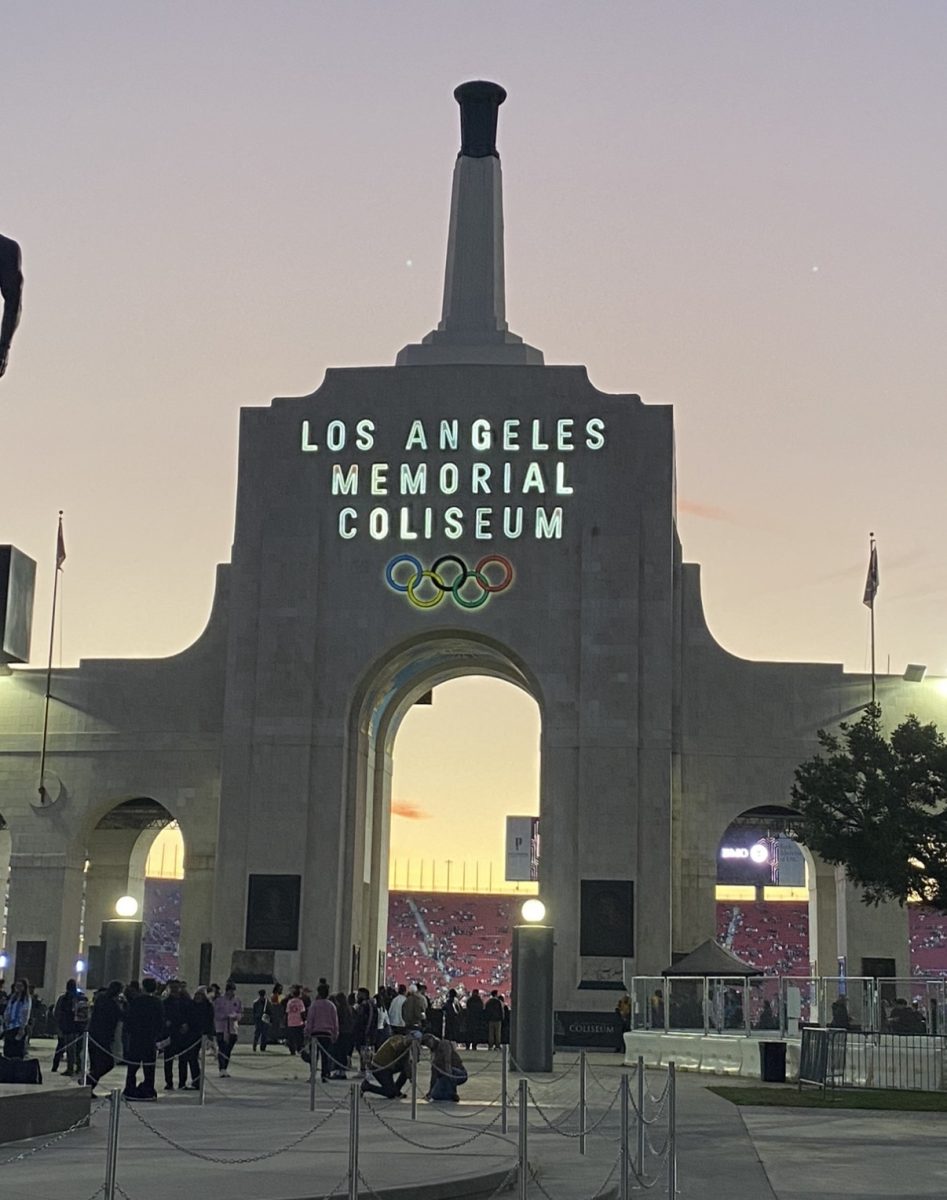
The 2028 Los Angeles Olympics aim to avoid these past mistakes by using a more sustainable and reasonable approach. Instead of building new venues, LA28, the official organizing committee responsible for planning and running the 2028 Olympic and Paralympic Games in Los Angeles, plans to rely on existing infrastructure and venues at USC and UCLA to create temporary facilities when needed, Organizer Mark E. explained that this will reduce long-term costs and prevent unused stadiums, He also stated very confidently that, “ There will not be a building or upgrade left behind to collect debt.” However, the games will still bring major challenges, including security, transportation, and managing day-to-day operations with summer school and summer work schedules. He describes this operation and task as “ hosting three Super Bowls a day for 30 days straight.” If successful, LA 2028 could show future host cities the benefits of the Olympics while avoiding the heavy debt that has defined so many of the past Olympics.
