
























From rom-coms to psychological dramas, Sydney Sweeney has acted across a wide range of film and television genres. Her newest role brings her into the world of sports, however, but not as an athlete. Sweeney was recently featured in an advertisement that has drawn criticism for its sexualized portrayal of women in sports, as she appears naked while mock playing various sports.
Female Olympian athletes have spoken out in response to the ad, arguing that the advertisement reflects a larger issue surrounding the way women in sports are portrayed. While women’s sports continue to gain recognition and visibility, their accomplishments are often overshadowed and undermined by classic gender stereotyping.
Four time gold Olympic medallist swimmer Ariarne Titmus wrote on instagram, “I can’t describe how infuriated I feel when I watch this. Not only is it a kick in the face to every woman who has dedicated her life to perfecting her craft, but every woman who enjoys sports for what it really is – teamwork, friendship, dedication, excellent, unity… How do we live in a world where monetizing a women’s body and sexualizing women’s sport is still a thing?”

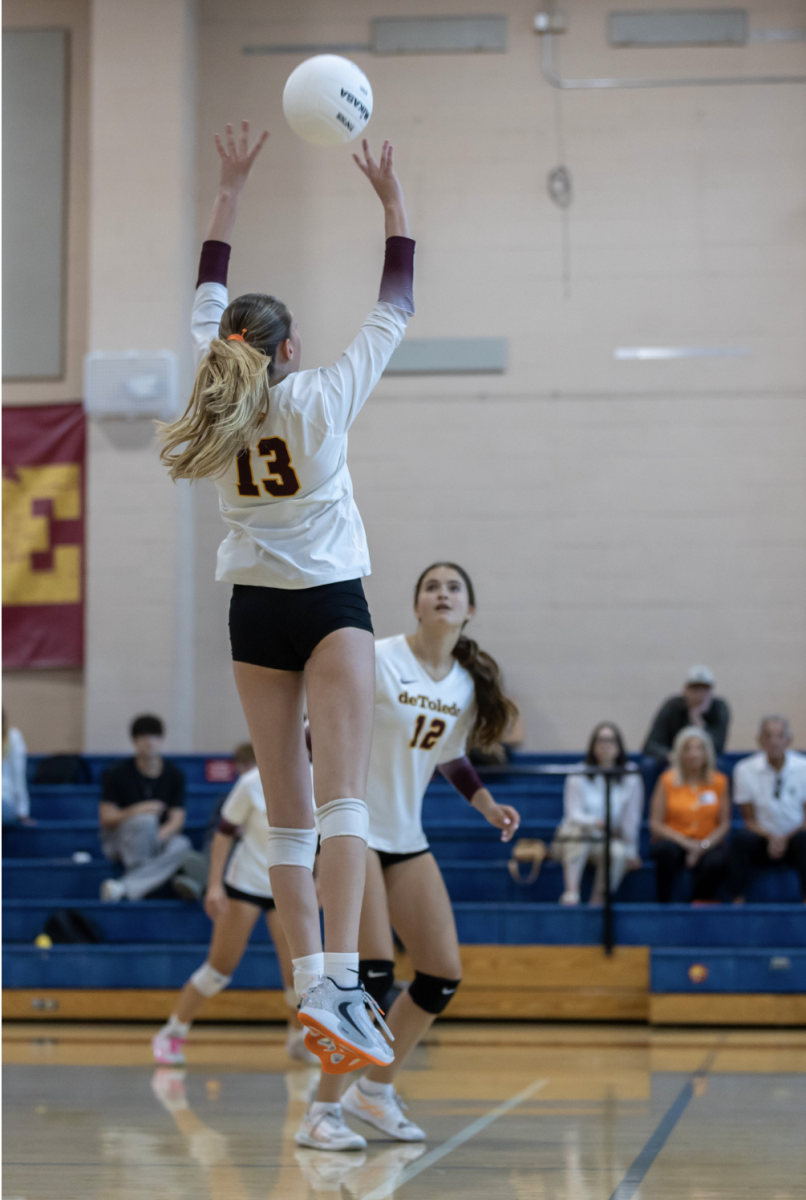
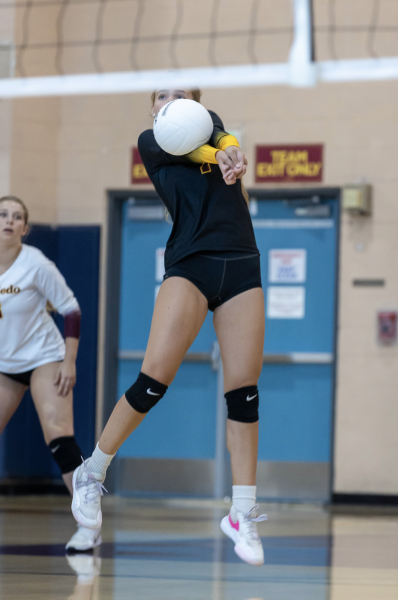
Since I was a child, I have been an athlete. When I was a toddler I was enrolled in dance class, then transitioned to gymnastics for the beginning of elementary school. In my pre-teen years I played Tae Kwon Do and tennis, and when middle school began I committed to playing volleyball. My mother, a lifelong tennis player and collegiate athlete, has always inspired me and shown me what it means to be a woman in sports. She encouraged my sister and me to play our own sports because cheering on others is not the same as putting yourself out there and seeing what you can accomplish.
I heard phrases “throw like a girl” and “wow, you’re pretty good for a girl” from a young age. Even then, I understood that these comments were more than just jokes. They suggested that being a girl was somehow a limitation, and that excelling in sports was unexpected for women. Ads such as Sydney Sweeney’s only further establish these misconceptions.
However, despite the setbacks faced, women’s sports is at an all-time high viewing rate and is setting record numbers for attendance and participation. As an example, the No. 1 Nebraska Cornhuskers women’s volleyball team has excelled for the past 40+ years. Three years ago, 91,684 fans showed their support at Memorial Stadium, setting a world record in attendance for a women’s sporting event. With a powerhouse roster, featuring players like outside hitter Harper Murray and middle blocker Andi Jackson, the Nebraska Cornhuskers have become role models for thousands of young girls around the world.
Just two weekends ago, Nebraska was set to play against Missouri at Wrigley Field with a sellout crowd of 43,067 energized fans. Unfortunately, due to unsafe court conditions the game was ultimately canceled. Yet, the athletes still found a way to make the most of the moment, breaking into a dance-off that quickly became a highlight of the event. Rather than letting the cancellation take away from their experience, the players brought their personalities and team spirit to the field, giving fans another reason to celebrate women’s sports aside from appearances or sexuality.
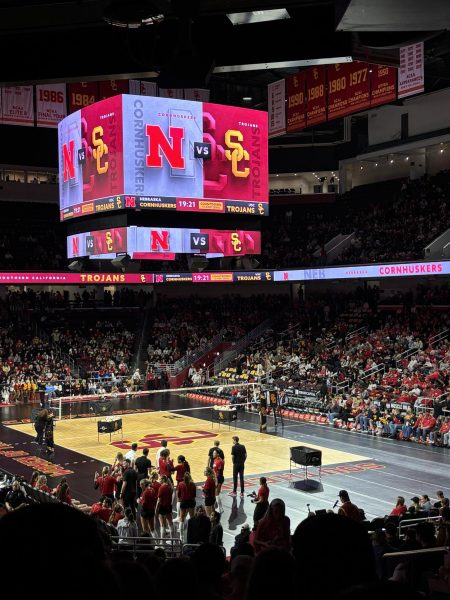
My younger sister is one of those young girls who idolizes the Nebraska volleyball team. She spent her 11th birthday at the USC vs. Nebraska game rooting for her role models–the female athletes on the court. The women that young girls should look up to are the ones commanding the court and breaking records, not the ones being reduced to a blowout and a body.