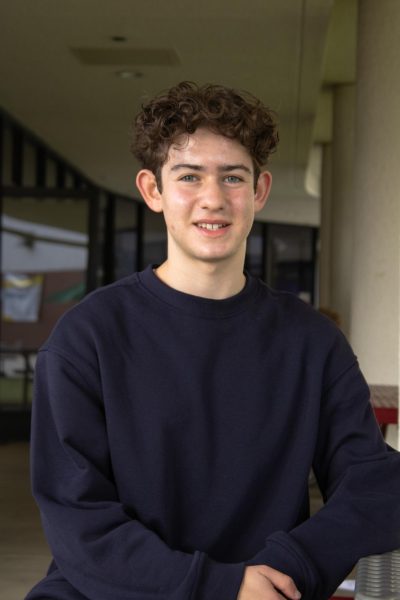
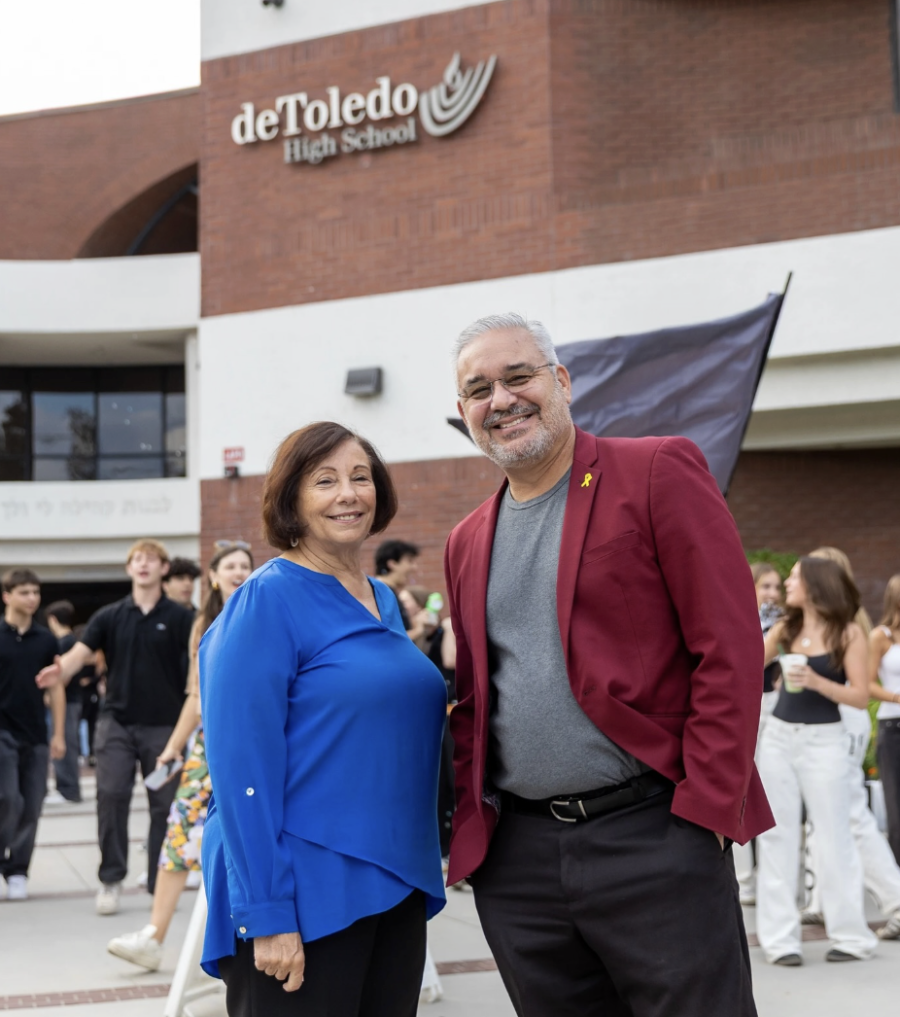


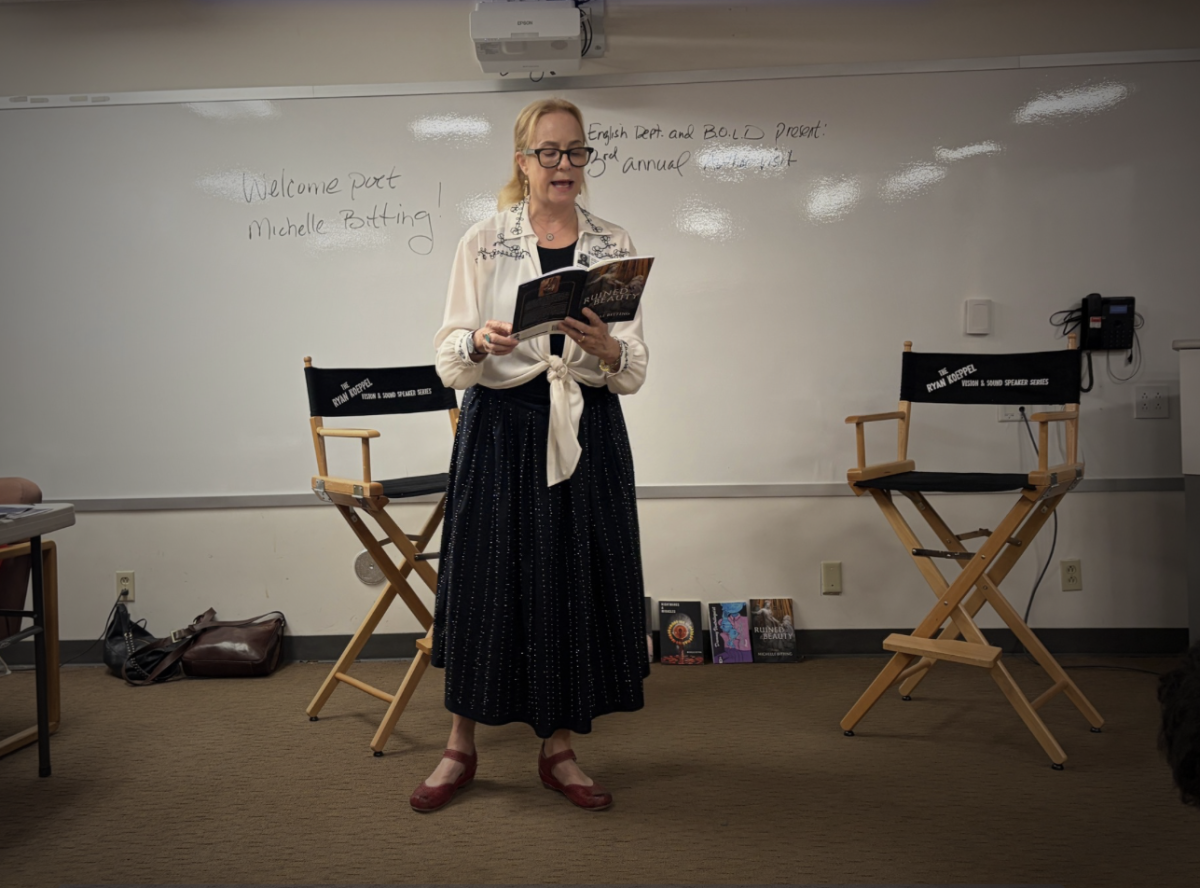
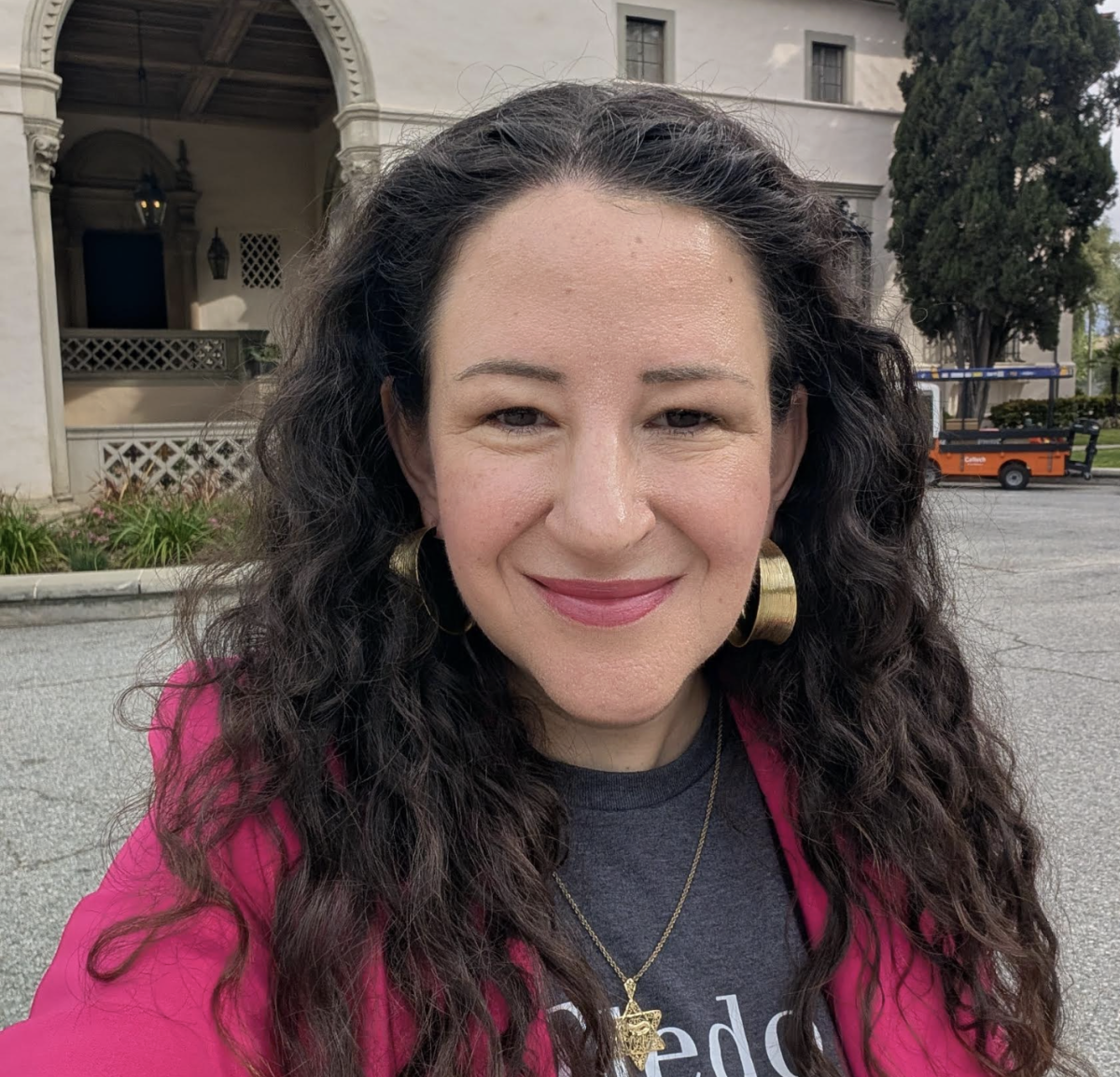



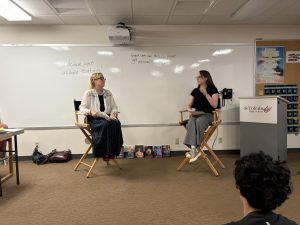
On October 14, Palisades Poet Laureate, Michelle Bitting, visited de Toledo High School as a part of the 2nd annual author visit co-hosted by Books Outlawed, Literature Defended Club (BOLD) and the English Department.
Bitting grew up around all types of art. In her poem, “A Touch of Evil,” she reflects on theatre as a source of friendship while she transitioned from elementary school to junior high school. Additionally, throughout her life, Bitting has been a dancer.
She believes that poetry can be many types of art forms: “Dance can be poetry; music can be poetry.” So by her definition, Bitting has really been indulging in poetry since she was a young girl.
During her visit, Bitting answered questions about the nuances of poetry and her experience as a well-seasoned veteran of the craft. Read on for her words of wisdom.
How does sound play a role in poetry?
Music always wins, not just rhyming, but how the consonance, the assonance, the syntax, how one line will go full flow and one line will be cut – with spondees… this is why a lot of great writers start with poetry. Because of the distillation of language, because of the attention to sound and imagery.
The more you read and the more you read poetry out loud, because art is from the body, we are mortal and we are bodies moving through space in time… it’s dynamite to do that. The more that you read and the more that you write, you’re finding your voice. To really try to get inside those other voices as you’re finding your own voice, eventually those will fall away and you’ll find your voice.
Out of all writing mediums, why choose poetry?
Poetry is getting as close as possible to the ineffable, to the transcendent… when poetry really hits, it’s an ecstatic kind of feeling, it’s spiritual. I love to work with language; I’m a language and word person. There’s nothing like poetry, like what Emily Dickinson said, “When it’s really good, when it’s working, it takes the top of my head off.”
Who and what inspired you the most?
I wrote in college but I was also a dancer in theatre. I re-found it when I became a mom 25 years ago, some things happened. I lost my older brother, so I just had to go get back into writing and it burst open for me, it was a calling — I had to do it. I wrote a lot of bad poems, but the more i wrote the more things became to come together and i started to win prizes and publish,
Federico Garcia Lorca and Dylan Thomas were the ones that really hit me when I was younger in college. When I got into writing later, I had my “Cora of Mothers,” I called them: Sharon Olds, Anne Sexton, Lucille Clifton, Dorrianne Laux, and Kim Addonzino. I read them and read them and read them, and would fly across the country to go study with them.
How do you decide when an image is about your personal experience or when it should be relatable?
I always go for putting everything down. The first thing I do with my students is the image list. I still take workshops, and still listen to lectures. There’s this writer, Alexander Chee, and there were 175 of us in his zoom class, and the first thing he has us do is think of 80 memories. So I thought: well I only make my students do 20.
I am a big believer in prioritizing image. Saturate with images, and then you have things to pull from – a full book or poem can come from one image. They may not resonate for others, but in the context of a poem, they often will, and that’s the art of it. It takes hammering the nails into the wood and playing with those images. Even though it’s just your individual imagery, we can also relate. As Ezra Pound once said, “The image is a vortex of energy.”
Thank you, Michelle Bitting, for educating, inspiring, and transcending alongside us at dT.