



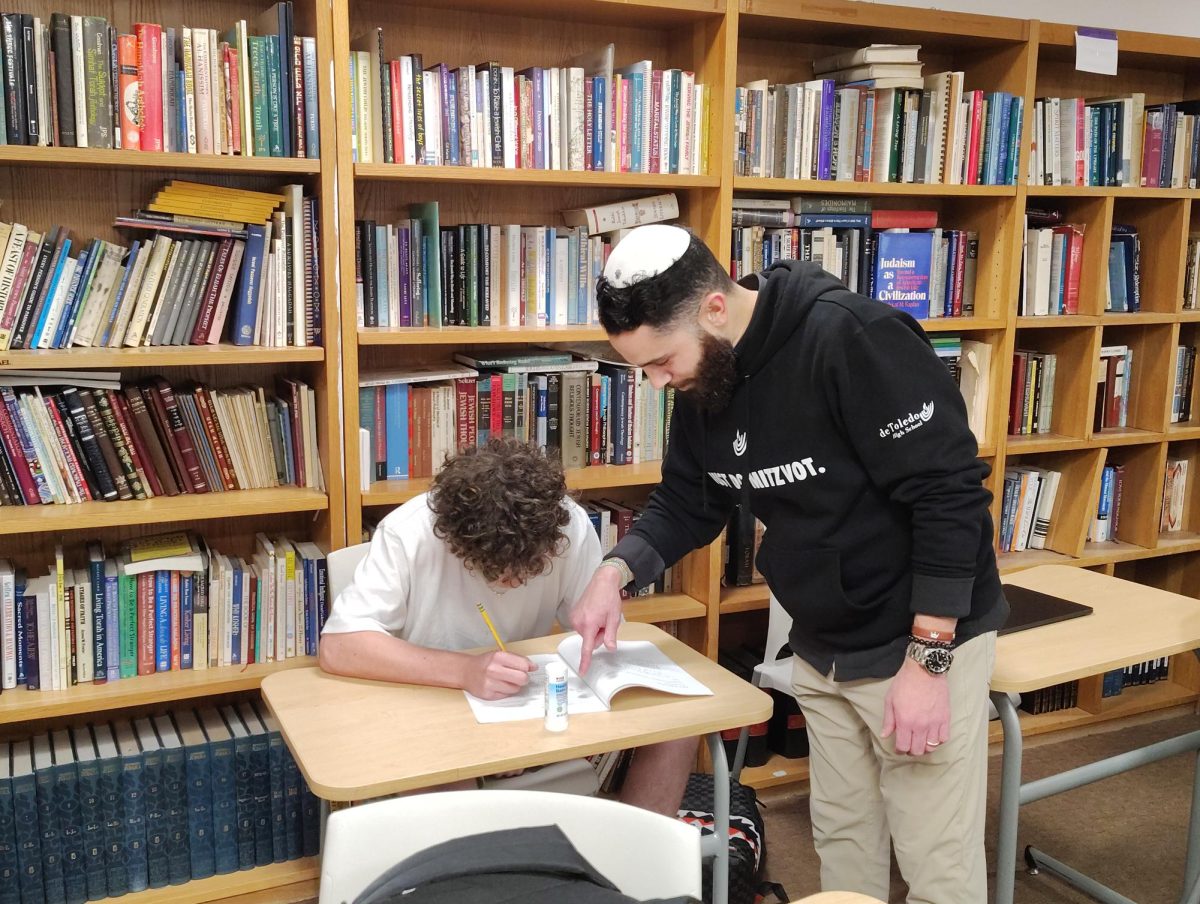









de Toledo’s new Humanities Academy provides a never-seen-before opportunity for underclassmen aspiring to change the world.
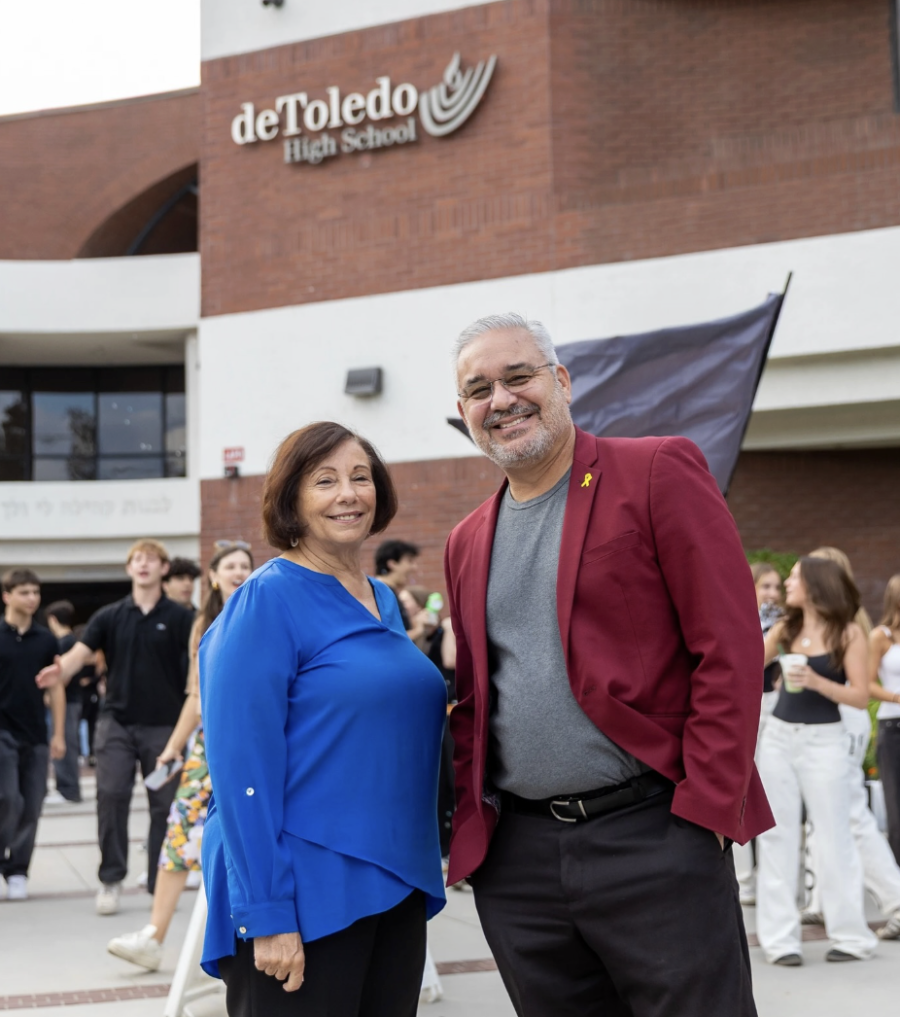
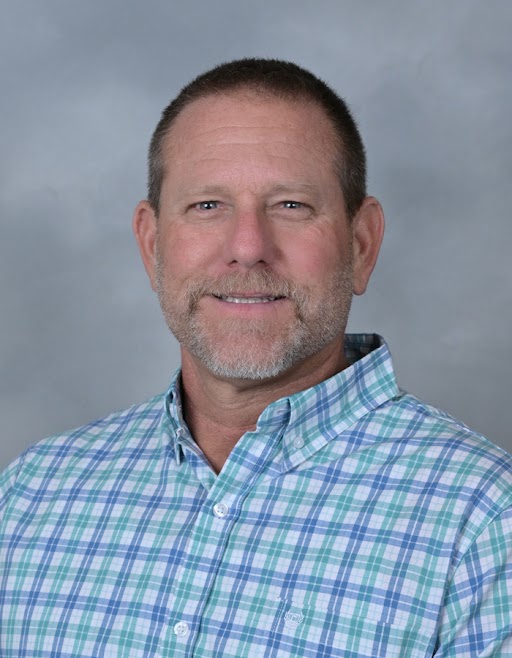
“The goal of this [academy] is to produce true Jewish leaders who want to repair the world… even if just one kid does it,” said Mr. Soltis, head of the program.
The course is aimed to develop “critical thinkers, effective communicators, and ethical global citizens,” according to the academy’s mission statement.
There is also a big emphasis on being able to understand topics from different perspectives. “Once you see more than just your own perspective, that’s a huge understanding of the world,” said Mr. Soltis.
The way this academy plans to achieve this goal is centered around two new AP courses: AP Seminar in 10th grade and AP Research in 11th.
AP Seminar is designed to help students understand how to question, explore, and analyze perspectives and ideas, then to do something with all those skills. Mr. Soltis believes, “That is the heart of a scholar.
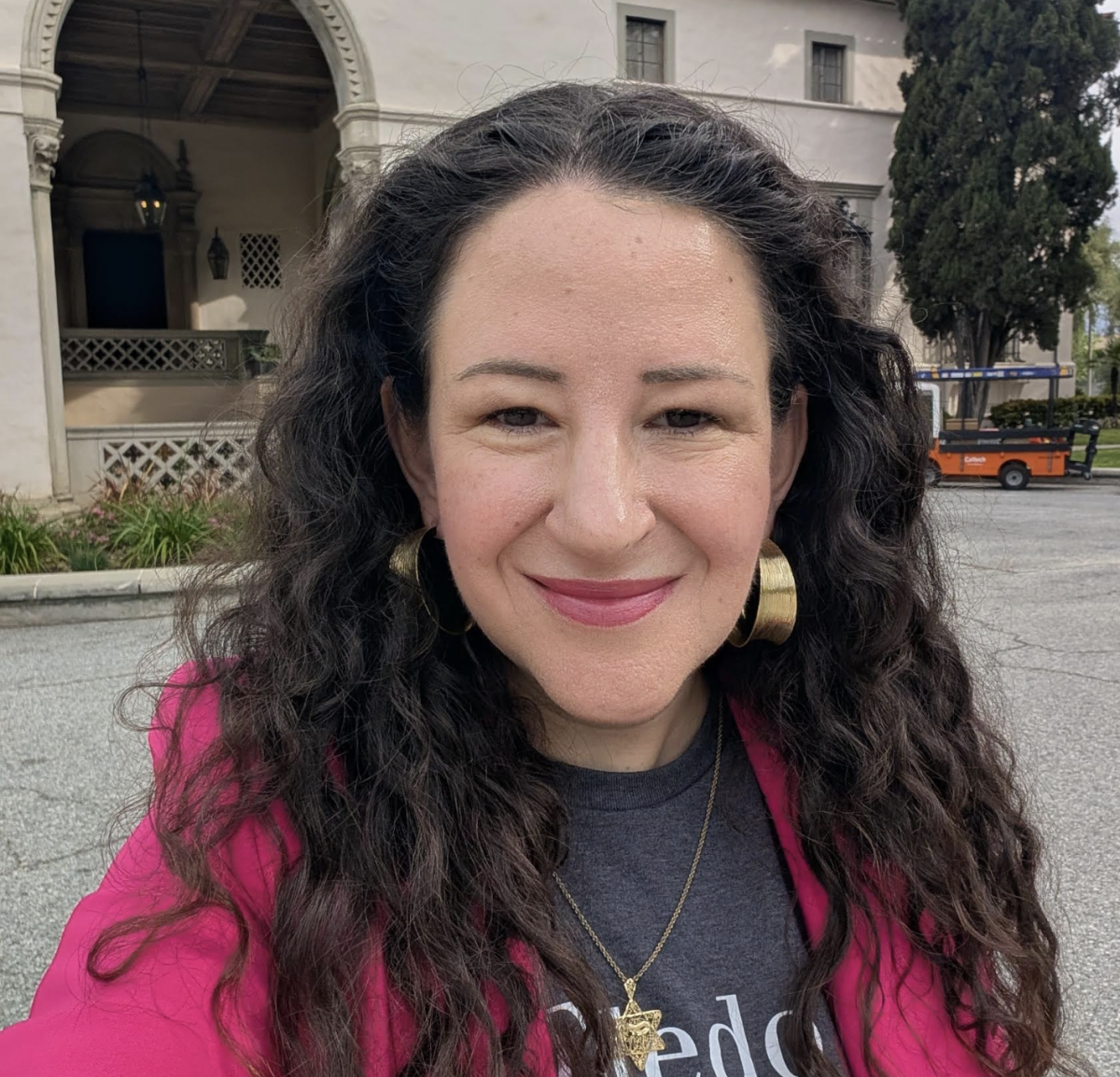
Taken a year later, AP Research develops skills for “presenting, working in a team, deep research, and how to present your findings,” the unique attributes that belong to deep thinkers, explained Mrs. Shpall, the AP Research teacher in the academy.
The AP research course requires a ten to twenty page paper where students have to defend their thesis on any topic using these newly acquired skills.
While the academic prestige that accompanies this journey is a benefit that is highly valued, the motive for the academy was not to fulfill students’ desires for more AP courses.
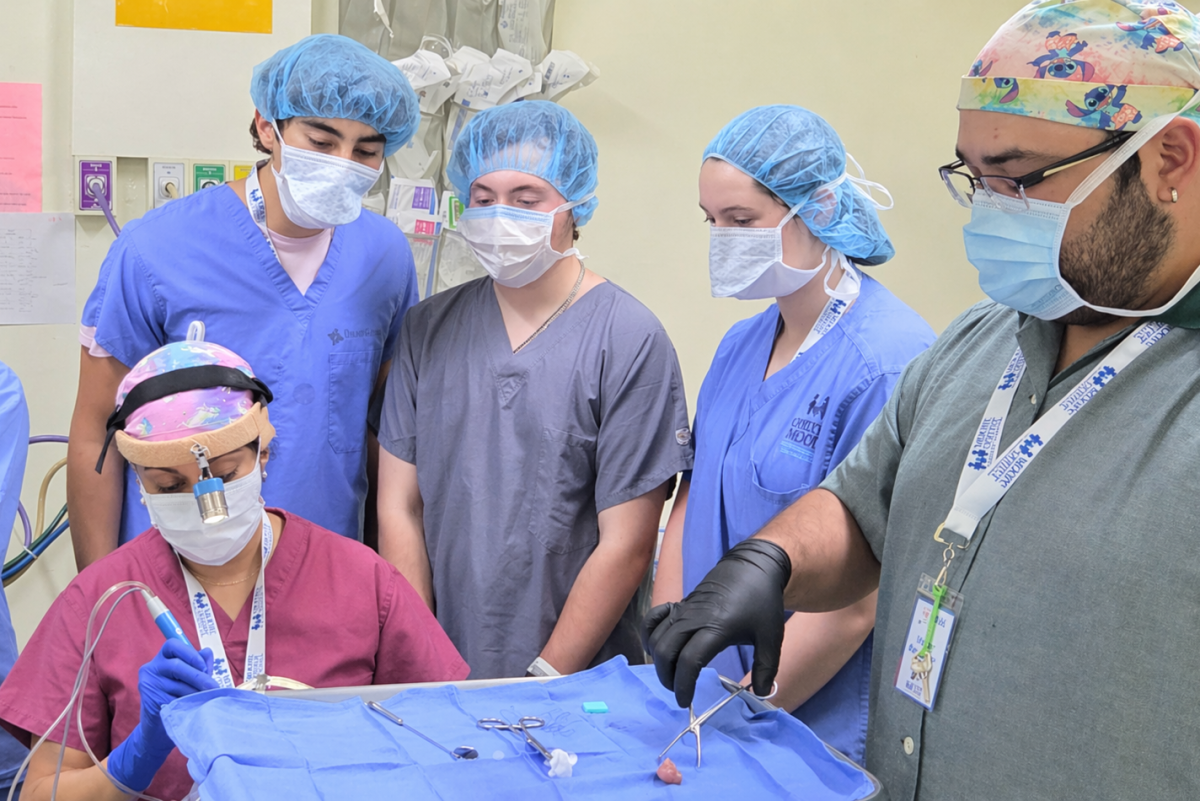
Two years ago, founders of the academy and teachers at de Toledo, Mr. Soltis and Mrs. Shpall, realized, “There [are] academies for people in [medical] science and engineering, but we don’t have one for humanities.” They wanted to give a voice for people who wanted to think more deeply and do more research in the humanities.
A main goal of the other two academies at de Toledo is to expose students to its field, but there isn’t a single field you’d think of that’s dedicated to the humanities. So why would students want to pursue this challenging curriculum?
For students aiming to attend prestigious colleges in the future, Mr. Soltis said, “They’re not looking for people that do a whole bunch of things…they want individuals that are driven.”
Student in the program Maya K. (‘29) said that one of her main goals is to “expand her knowledge on a few specific[s],” echoing the key of this program, which “is the ability to have deep analysis,” said Mrs. Shpall. “You have to know how to dig deep”
Another student in the academy, Jacob S. (‘29), said that he was captivated by the opportunity of “being able to have a bigger impact on the community, and potentially the world.”
“My main goal is to be able to better voice my opinions, and be able to bring problems to the table and make a big impact on the people around me by helping people,” Jacob S. said.
This program fills a gap in de Toledo education that hadn’t zeroed in on those skills
Mr. Soltis said that this academy “fits the school mission really well.” de Toledo makes 100 percent certain that all of their students achieve its core values of being an “A+ human being” and “making the world a better world to live in” fully engraved in their mind. You can’t go one week without hearing something along those lines preached at de Toledo, especially during town halls.
Already in the first month of this program, Mr. Soltis has seen an exceptional ability of students “grasping the material and being able to articulate themselves.” He hopes to continue to see his students grow like crops on farms as he compared, hopefully one day into curious Jewish leaders.