
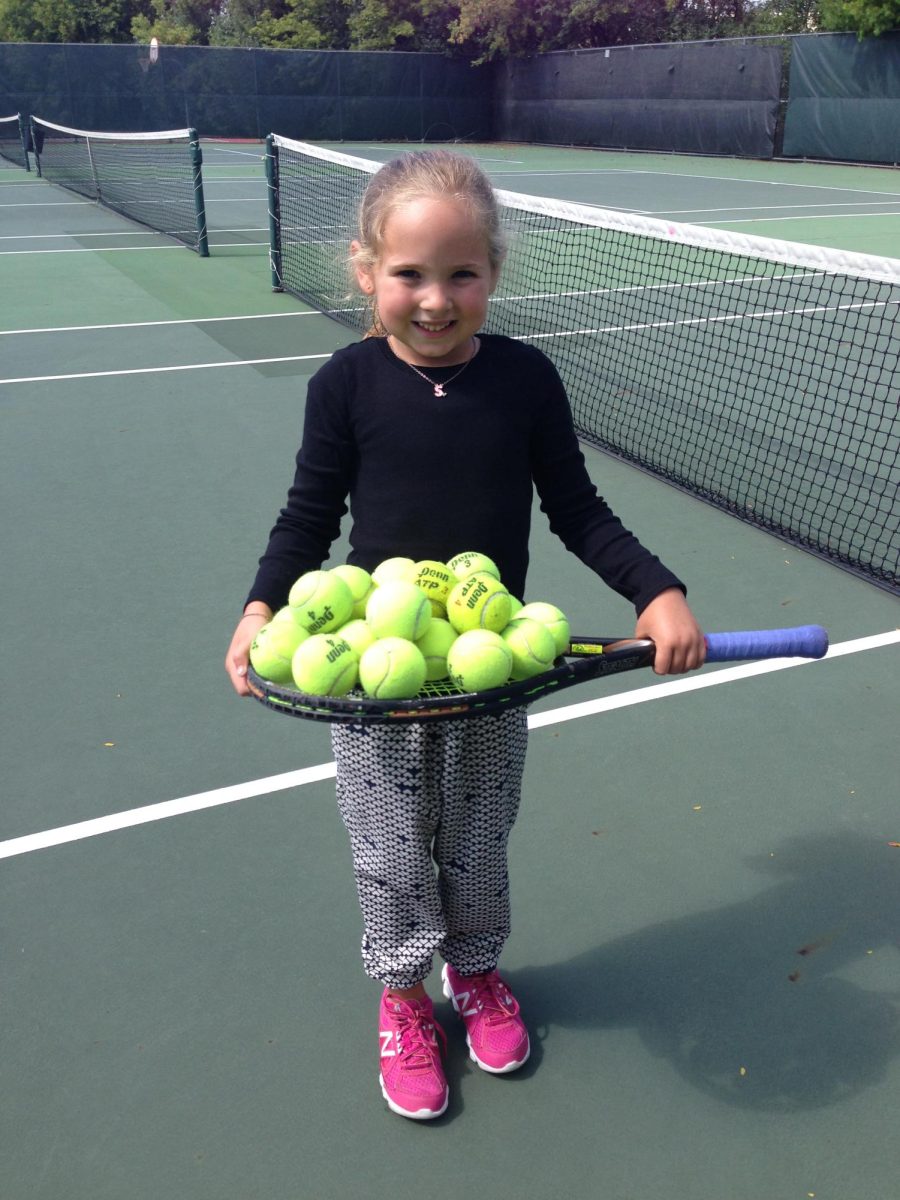













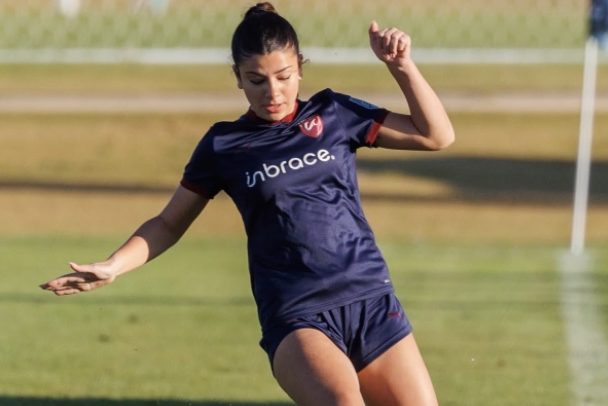



When most athletes start a sport, no college scouts are watching, there’s no starting positions to fight for, and no statistics to obsess over. There is just a ball, a field, a court, or a pool and a passion. But somewhere between childhood practices and competitive high school sports, “I want to play” becomes “I have to play.”
As athletes get older, the idea of college recruitment slowly seeps into their minds through their parents, coaches, and teammates, making it inevitable. As exciting as playing and getting recruited in an athlete’s sport might be, the pressure increases, taking away the reason an athlete started playing in the first place.
Amy Bryant, a current student-athlete advisor/college sports counselor, says, “In studies specifically examining the recruiting process, performance anxiety is categorized as a top mental health risk, driven primarily by the fear of making a mistake in front of college scouts. This fear shifts up to 90% of highly pressured recruits into a tentative ‘playing not to fail’ mindset.”
The rate of burnout in athletes is only increasing by the minute. More and more athletes are leaning toward pressure instead of remembering why they started the sport in the first place. ResearchGate states that while burnout existed a decade ago, cross-temporal meta-analyses tracking athlete burnout symptoms confirm that baseline levels of emotional exhaustion, reduced sense of accomplishment, and sport devaluation have risen significantly.
Dr Nasser, a sports psychologist, says, “The goal isn’t to care less about your sport. It’s to learn how to manage pressure so you can still perform, recover, and enjoy the game.”
Social Media plays a big role in creating a negatively competitive environment for athletes. Most athletes see peers posting college offers or official commitments. These posts can trigger intense panic, making athletes feel like they’re behind in the recruiting process. Athletes frequently rush their commitment decisions to avoid appearing “left behind” or less talented, sacrificing the chance to find the best academic or athletic fit.
A good coach can also make or break the fun of soccer. As athletes get older, the pressure to perform better increases. Coaches can coach efficiently, but they can also coach intensely. While a coach’s demands may simply be to improve an athlete’s performance, a controlling coaching environment can have the opposite effect on an athlete’s relationship with the game.
David Rimon, dad of a club soccer athlete, stated, “I had to take my daughter off of the soccer team because the coach never played her, and her passion started to die. Once she tried out for a new team, the coach was very welcoming and gave her helpful feedback; I could see her spark coming back.”
In a study led by Isabella Castillo, Professor of Social Psychology of Sport, she surveyed 725 soccer players ages 11 to 13 and found that perceptions of a controlling coaching style were associated with psychological-need frustration and burnout.
Teammates and social media affect burnout, but players can also shape the team dynamic. In a study by the National Library of Medicine, A systematic review and meta-analysis of youth-sport research found that peer support was significantly associated with athletes’ intention to continue participating in their sport
Kaia L. (‘27), a student at Sierra Canyon, said, “I feel more confident about my performance on the field when my teammates are giving me constructive criticism rather than bashing me in a negative way.”
For many athletes, the sport they play started as something simple, something they loved to do, but as competition increases, so can the pressure from coaches, teammates, recruiting, and even the athletes they see on social media. Success may be measured by playing time, college offers, or wins rather than enjoyment. While pressure will always be a part of competitive sports, it should not overshadow the reason many athletes stepped onto the field in the first place. Sometimes, protecting an athlete’s passion means reminding them that their sport can still be something they want to do, not something they have to do.