



























As platforms like TikTok, Instagram, and YouTube continue to grow, they’ve created an entirely new kind of career – one that doesn’t require a college degree, office, or even adulthood. For many teens, a phone and a strong personal brand are enough to start generating income. Yahoo Finance reports that 42% of U.S. teens now make money through digital platforms (such as TikTok, Instagram, or YouTube), compared with only 38% who work traditional jobs.
Unlike traditional hourly jobs, social media allows teens to earn based on engagement. A single viral post can bring in thousands of views, leading to brand partnerships, affiliate links, and sponsored content deals. Brand partnerships involve ongoing collaborations with companies, affiliate links allow influencers to earn commission from sales through their links, and sponsored content deals are paid posts promoting a product.
In fact, according to The Social Cat, mid-level influencers (typically 50,000 to 500,000 followers) can earn anywhere from $500 to $35,00 per post, while top creators (500,000 to over a million followers) can make over $10,000 for a single brand deal. In some cases, companies are willing to pay millions of dollars over time if the creator has a loyal and engaged audience. Companies and agencies invest in influencers because it allows them to reach targeted audiences, build trust through authentic promotion, increase engagement, boost brand awareness and sales, and gain cost-effective, high-quality content that keeps their brand relevant.
Teen influencers mostly start by posting content about their everyday lives, sports, fashion, fitness, or school routines. Over time, as their following grows, so does their earning potential. What begins as a hobby can quickly turn into a steady stream of income. For many teen influencers, success doesn’t happen right away. An article from Teen Vogue found that influencers often start with very small followings and slowly grow by posting consistently and engaging with their audience.
In an interview with Teen Vogue, Phoebe McPherson, a growing teen influencer, said she “started gaining followers “in waves,” and that now “a good day for McPherson is 1,000-2,500 likes per photo and a couple dozen comments.”
In Stephanie McNeal’s 2024 article for Glamour, she explained that influencing “takes time and dedication,” meaning that gaining followers and brand attention requires patience and effort over many posts, not just one viral moment.
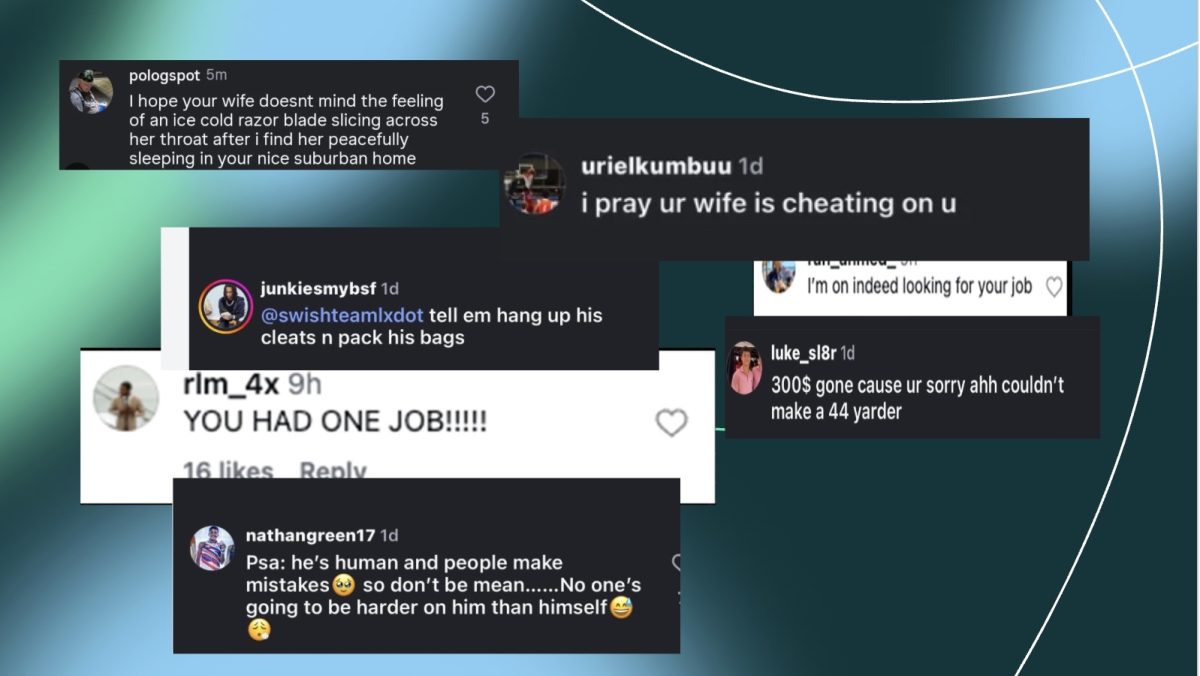
Although having a following on social media has its benefits, there’s another dangerous side to becoming popular. This includes exploitation, hate, mental health issues, loss of identity, and more. Even though Millie Bobby Brown, a young adult actor and influencer, knew that social media was a way to make a profit, the constant hate she received started to affect her mental health. In an interview with The Times of India, Brown said, “Mental health is not a taboo topic; remember, we are human beings.”
The exploitation of teen influencers is one of the main dangers aspiring content-creators should be aware of. Management companies often take advantage of these children and promise them success, when in reality, they use them for the company’s own benefit. Gabrielle Carteris, an American actress and trade union leader, interviewed many influencers and found that “the biggest thing is… exploitation… [the influencers] realized they had no control, and that was really frustrating” for them.
Is being a teen influencer worth it? That’s something many adults and teens question. Some argue it’s a revolutionary way to make money, but many risks come with this new financial benefit. Behind the likes and brand deals, lurk troubling issues.
While social media fame may seem exciting, it’s important to recognize the hidden downsides before deciding if teen influencing is truly worth the risks.